
Trump Issues Attack Warning to Iran Over Hezbollah Activity
Trump threatens military action against Iran amid negotiations in Switzerland. US demands Iran restrain Hezbollah in Lebanon as diplomatic talks continue.
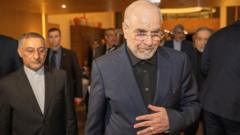
Trump's Direct Warning to Iran Leadership
Escalating tensions in Middle Eastern diplomatic circles, Trump Iran negotiations have reached a critical juncture as the US president issued a stark ultimatum regarding military intervention. Although physically absent from the ongoing discussions taking place in Switzerland, Trump made a forceful declaration warning Iran of potential military action should the nation fail to curtail Hezbollah's operations across Lebanese territory.
The demand represents a significant shift in negotiating strategy, combining diplomatic channels with explicit security threats. Trump's position centers on the assertion that Iran maintains operational control over Hezbollah activities, making Tehran directly accountable for the Lebanese organization's conduct along Israel's northern border.
The Switzerland Diplomatic Forum
Negotiations conducted in Switzerland serve as neutral ground for discussions between American representatives and Iranian officials. This venue has historically hosted sensitive international negotiations where parties seek to establish communication channels away from the glare of their respective domestic political environments.
The talks in Switzerland represent one of the few remaining avenues for direct dialogue between Washington and Tehran, particularly given the deteriorating security situation in Lebanon and ongoing Israeli-Hezbollah confrontations. Swiss neutrality provides both delegations with the diplomatic cover necessary to engage in substantive discussions without appearing to capitulate to external pressure.
Iran's Response and Counterarguments
Iran's negotiators at the Switzerland talks have countered Trump's assertions, disputing American characterizations of their influence over Hezbollah. Tehran's diplomatic representatives argue that Hezbollah operates independently as a Lebanese political and military organization, though they acknowledge historical support relationships dating back decades.
The Iranian position attempts to distinguish between acknowledged past support and present operational control. Negotiators emphasize that current dynamics in Lebanon reflect complex political factors beyond Iranian command, including Hezbollah's integration into Lebanese governmental structures and its constituency's independent decision-making processes.
Hezbollah's Role in Lebanon's Political Landscape
Understanding Trump Iran negotiations requires context regarding Hezbollah's multifaceted position within Lebanon. The organization simultaneously functions as a political party holding parliamentary seats, operates a social services network, and maintains a military wing engaged in regional security matters.
Hezbollah's complex status complicates straightforward attribution of responsibility. The organization's activities reflect not solely Iranian directives but also Lebanese domestic political considerations, responses to Israeli actions, and the group's own strategic calculations regarding regional stability.
Military Escalation Risks
Trump's threat of military action introduces significant escalation potential into an already volatile situation. Such warnings historically carry implications extending beyond immediate negotiating leverage, potentially signaling serious consideration of military options should diplomatic progress stall.
The military dimension adds urgency to ongoing discussions, compelling all parties to assess whether diplomatic solutions can address underlying security concerns before military confrontation becomes inevitable. Regional analysts note that any American military action against Iran would dramatically reshape Middle Eastern geopolitics and potentially trigger wider conflict involving multiple state and non-state actors.
Broader Context of US-Iran Relations
Current tensions reflect longstanding strategic competition between the United States and Iran throughout the Middle East. The Trump administration has consistently adopted hardline positions regarding Iranian regional activities, viewing Iranian influence expansion as threatening American interests and those of regional allies including Saudi Arabia and Israel.
Trump Iran negotiations occurring in Switzerland demonstrate persistent American interest in dialogue channels despite pronounced rhetorical hostility. This apparent contradiction reflects the complexity of managing adversarial relationships while maintaining communication pathways for crisis management and potential conflict resolution.
International Diplomatic Dimensions
Switzerland's hosting of talks reflects its established role as a facilitator for sensitive international negotiations. Swiss officials maintain traditions of discretion and neutrality that permit candid discussions among parties with fundamentally opposed interests and competing security objectives.
The diplomatic engagement in Switzerland also signals that neither the United States nor Iran has abandoned negotiation entirely, despite mutual accusations of bad faith and threatening rhetoric. Maintaining communication channels, even amid escalatory language, preserves possibilities for de-escalation should political leadership on either side determine that negotiated settlements serve their interests better than military confrontation.
Strategic Implications for Regional Stability
The intersection of Trump's military threats with ongoing negotiations creates contradictory pressures that could either accelerate diplomatic progress or accelerate military preparations. Both American and Iranian leadership must navigate balancing deterrence messaging with genuine diplomatic engagement.
Success in these talks would require both sides making concessions regarding their core security interests, a challenging proposition given decades of mutual mistrust and competing regional ambitions. Failure to achieve progress could validate Trump's warnings and set the stage for military escalation that would reshape Middle Eastern security architecture for years to come.


