
Israeli Strikes and Hezbollah Attacks Persist Amid Ceasefire Efforts
Israeli military operations and Hezbollah attacks continue despite ceasefire negotiations. Latest developments show escalating tensions in southern Lebanon with...
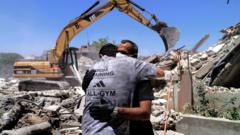
Ongoing Military Operations Challenge Ceasefire Negotiations
Israeli strikes and Hezbollah counterattacks have persisted even as diplomatic efforts to establish a lasting ceasefire continue between the two adversaries. The situation in the region remains volatile, with military engagements reported across multiple locations in southern Lebanon and northern Israeli territories.
Casualties from Recent Israeli Air Operations
According to reports from military and humanitarian sources, at least 20 individuals have been killed in recent Israeli air strikes targeting positions in southern Lebanon. The Israeli Defense Forces stated that these operations were conducted in response to weapons fire directed at Israeli military personnel stationed near the Lebanese border.
Hezbollah's Military Response
The militant organization confirmed it had launched attacks against Israeli troops operating in the southern Lebanese region. Military analysts indicate that Hezbollah has maintained its capability to conduct cross-border operations despite the intensified Israeli military campaign. The group's response demonstrates its continued commitment to counter Israeli military presence along the disputed border area.
Regional Tensions Escalate Despite Diplomatic Efforts
While international mediators have been working toward establishing a comprehensive ceasefire agreement, the continued military operations by both sides suggest that negotiations remain in preliminary stages. Sources close to the diplomatic process indicate that significant obstacles must be overcome before any lasting peace arrangement can be implemented.
The persistence of Israeli strikes and Hezbollah attacks underscores the deep-rooted nature of the conflict and the challenges faced by parties attempting to broker peace. Military commanders on both sides have indicated their willingness to continue operations until specific territorial and security demands are met.
Impact on Civilian Population
The ongoing conflict has resulted in considerable displacement of civilians in border regions. Southern Lebanon has witnessed significant population movement as residents seek safer areas away from active military zones. International humanitarian organizations have raised concerns about civilian casualties and the urgent need for humanitarian assistance in affected areas.
International Response and Diplomatic Engagement
Several nations have called for an immediate cessation of hostilities and the implementation of comprehensive peace talks. The United Nations and various regional powers have engaged in diplomatic channels to facilitate negotiations between Israeli and Lebanese authorities. However, the continuation of military operations has complicated these diplomatic efforts.
Military Strategic Assessments
Defense analysts suggest that both the Israeli military and Hezbollah appear to be pursuing strategic objectives that extend beyond immediate territorial control. The sophistication of operations on both sides indicates substantial military resources and planning capabilities. Experts warn that without significant diplomatic breakthroughs, the cycle of Israeli strikes and retaliation could intensify further.
Prospects for Resolution
Despite current hostilities, several factors suggest that a ceasefire remains possible. Both sides have demonstrated capacity for restraint in past negotiations, and international pressure for de-escalation continues to mount. However, the resolution of core disputes regarding border security, military presence, and weapons capabilities must be addressed before any lasting ceasefire agreement can be finalized and maintained.


