
Trump Denies US Weapon Stockpile Crisis Amid Leaker Crackdown
Trump dismisses claims of US weapons shortage and vows to pursue information leakers. Explore the debate over military supply concerns and classified defense da...
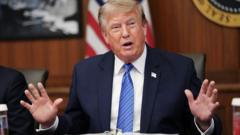
Trump Addresses US Weapons Shortage Concerns
Former President Donald Trump has firmly rejected suggestions of a US weapons shortage, asserting that the nation maintains adequate military capabilities. The statements regarding US weapons shortage management come as Trump emphasizes the robustness of American defense infrastructure while simultaneously pledging action against those responsible for disclosing sensitive military information.
Trump's position contradicts concerns raised by defense analysts and military experts who argue that certain specialized weapon systems have experienced significant depletion. The dispute centers on the availability and production capacity of complex weapons platforms that require extended manufacturing timelines and specialized industrial processes.
Classified Information and Public Disclosure Debate
The tension between transparency and national security has intensified as Trump vows to identify and pursue those leaking confidential defense information. According to Trump, individuals responsible for releasing classified details about US weapons capabilities and inventory levels pose significant threats to national security interests. The administration's commitment to investigating these leaks reflects broader concerns about information control within defense establishment channels.
While comprehensive data regarding military arsenals remains classified and inaccessible to the general public, available information from open sources indicates substantial consumption of certain weapon systems. These weapons, characterized by their technical complexity and labor-intensive manufacturing requirements, represent critical components of American military deterrence strategy.
Manufacturing Challenges and Production Capacity
The production of advanced military systems involves intricate supply chains, specialized workforce training, and significant capital investment in manufacturing infrastructure. Weapons classified as difficult-to-manufacture typically include precision-guided munitions, advanced radar systems, specialized ammunition varieties, and cutting-edge defense technologies. The transition from peacetime to elevated production levels requires substantial lead times and coordination among defense contractors.
Industry experts suggest that certain weapon categories have experienced notable drawdowns, particularly those utilized in recent military engagements and international security commitments. The replenishment of these stockpiles demands expansion of manufacturing capacity, which presents economic and logistical challenges.
National Security and Information Control
Trump's determination to pursue information leakers reflects traditional administration positions on protecting classified defense details. The former president characterizes the leaking of military capability information as a serious breach of security protocols. Such disclosures, according to this perspective, potentially compromise strategic advantages and inform adversarial nations about American military readiness.
The clash between government secrecy and public knowledge creates ongoing debate regarding transparency in defense matters. Citizens and oversight bodies seek understanding of military spending and capabilities, while security officials argue that comprehensive disclosure threatens national defense. This tension remains central to discussions about weapons shortage and military preparedness.
Defense Industry Response and Supply Chain Issues
Defense contractors and military supply experts acknowledge production constraints affecting certain weapon systems. Complex manufacturing processes, raw material availability, and workforce specialization contribute to supply challenges. The acceleration of military production, whether voluntary or mandated by policy, requires substantial financial resources and industrial restructuring.
Historical production data suggests that certain specialized weapons systems face longer manufacturing cycles than conventional ammunition or standard military equipment. This disparity in production timelines creates potential vulnerabilities when rapid resupply becomes necessary due to geopolitical tensions or military operations.
Political and Strategic Implications
Trump's denial of weapons shortage concerns reflects broader political positioning on defense readiness and military strength. The messaging emphasizes American military superiority while simultaneously addressing internal security breaches. This dual approach aims to project confidence internationally while tightening internal security protocols.
The administration's stance regarding US weapons shortage denials must be contextualized within discussions about military spending prioritization, defense industry capacity expansion, and strategic reserve management. Different perspectives on the severity of supply challenges influence policy recommendations and resource allocation decisions across defense departments and contractor relationships.


