Torture Survivors Unlawfully Placed at Sussex Military Camp
ITV documentary exposes unlawful placement of torture survivors and inadequate welfare checks at Crowborough military base run by Graham King's asylum firm.
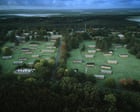
Undercover Investigation Exposes Serious Flaws in Asylum Accommodation
An undercover investigation has revealed that torture survivors may have been unlawfully accommodated at a controversial military installation in East Sussex, with torture survivors asylum camp practices raising significant legal and ethical concerns. The ITV documentary, Inside The Asylum Camp, presents evidence of inadequate welfare procedures and poor screening processes at Crowborough, a former military training facility now operated by accommodation provider linked to billionaire Graham King.
Documentary Reveals Dangerous Gaps in Screening Procedures
The undercover reporting demonstrates that asylum seekers Crowborough facility operates with concerning deficiencies in its vetting and assessment protocols. An ITV journalist secured employment as a welfare officer at the site and documented numerous instances of insufficient checks and inadequate monitoring of vulnerable individuals. The footage suggests that people with documented trauma histories, including torture survivors, were placed in accommodation without proper legal verification or consideration of their protection needs.
Implications for Government Asylum Policy
The government has prioritized mass accommodation facilities as a central component of its strategy to transition away from hotel-based housing for asylum seekers. However, this documentary raises serious questions about whether such facilities can adequately serve vulnerable populations. The findings indicate that the push to utilize converted military installations may come at the expense of proper safeguarding measures for some of the most at-risk individuals within the asylum system.
Inadequate Welfare Checks at Military Installation
The investigation into military base welfare checks procedures reveals systematic failures in duty of care. Staff members interviewed during the undercover operation appeared unprepared to identify or respond to signs of trauma in residents. The documentary shows that welfare assessments lacked the depth necessary to identify torture survivors or understand their specific vulnerabilities and support requirements. This represents a significant breach of the responsibility to protect asylum seekers from further harm.
Operational Concerns at Crowborough Facility
Crowborough, operated under contracts linked to Graham King asylum ventures, serves as a prime example of how privatized accommodation schemes may prioritize capacity over careful case management. The facility's approach to resident welfare and screening demonstrates how profit-driven models can compromise the quality of safeguarding. The documentary evidence suggests that the facility's operators prioritized accommodation efficiency rather than ensuring proper assessment and placement of vulnerable individuals.
Legal and Ethical Violations in Placement Procedures
The placement of torture survivors without appropriate legal safeguards raises serious questions about compliance with international protection obligations. The UK has specific legal duties regarding the treatment of torture victims and provisions under the Convention Against Torture. The documentary suggests these obligations may have been violated through inadequate initial assessments and improper categorization of residents at the Sussex accommodation site.
Vulnerable Population Concerns
Asylum seekers who have experienced torture require specialized assessment, trauma-informed care, and specific housing accommodations to support their recovery. The undercover footage indicates that Crowborough lacks these specialized provisions, instead treating all residents under a standardized, high-volume model unsuitable for those with significant mental health and protection needs.
Wider Implications for UK Asylum System
This investigation raises broader concerns about the government's reliance on mass accommodation facilities to address the asylum housing crisis. While reducing dependence on hotels may appear cost-effective, the documentary suggests this approach may create environments where vulnerable individuals receive inadequate care. The findings suggest that proper safeguarding requires more individualized assessment processes and specialized facilities for high-risk populations.
Questions for Policymakers and Operators
The documentary presents evidence that demands urgent review of screening protocols, staff training requirements, and welfare monitoring systems across all mass accommodation sites. Operators must demonstrate commitment to identifying and appropriately placing torture survivors and other vulnerable groups, ensuring that accommodation solutions do not inadvertently expose traumatized individuals to further harm.
Response and Next Steps
The revelations from Inside The Asylum Camp necessitate comprehensive investigation into current practices at military-base facilities and similar mass accommodation installations. Authorities must establish clear procedures for identifying torture survivors and ensuring their placement in appropriate facilities with adequate specialized support. The documentary serves as a critical accountability measure, exposing gaps that policymakers and operators can no longer ignore while pursuing efficiency-focused accommodation models.