Farage Resigns as MP Amid Major Party Boycott Row
Nigel Farage steps down as MP but plans comeback bid as Labour, Tories and Lib Dems refuse to contest Clacton byelection over resignation controversy.
Farage Announces Surprise MP Resignation While Maintaining Political Fight
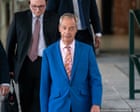
Nigel Farage, the prominent Reform UK leader, has announced his intention to step down from his parliamentary seat representing Clacton, yet simultaneously intends to stand as a candidate in the resulting byelection. This dramatic Farage resignation MP decision has sent shockwaves through Westminster and triggered an unprecedented response from the three major political parties.
The Reform UK chief stated that voters in Clacton "should be the judges of my actions," positioning his decision as one that places faith in the constituents who elected him. This approach represents a carefully calculated political maneuver designed to maintain momentum while potentially resetting the narrative around his leadership during a period of mounting scrutiny.
Major Parties Refuse to Participate in Clacton Byelection Contest
In an extraordinary show of political alignment, the Conservative Party, Labour Party, and Liberal Democrats have collectively announced they will not field candidates for the resulting Clacton byelection. This unprecedented boycott reflects widespread concern about the circumstances surrounding Farage's resignation and suggests a coordinated strategy to marginalize Reform UK's presence in Parliament.
The decision by mainstream parties to abstain from competing represents a significant political statement. Rather than engage in traditional byelection campaigning, the Conservatives, Labour, and Lib Dems appear to have calculated that non-participation serves their interests better than direct confrontation with Farage and his organization.
Parliamentary Standards Investigation Shadows Political Developments
The controversy intensifying around the Farage resignation MP situation centers on questions of parliamentary standards and financial disclosures. The parliamentary commissioner for standards has come under pressure to investigate whether Nigel Farage properly disclosed gifts received from George Cottrell, a political associate.
Conservative Party leader Badenoch indicated when questioned about potential investigations that such matters fall within the purview of the standards commissioner. This response underscores the gravity with which Westminster insiders regard the allegations, as even political figures close to Farage acknowledge the legitimacy of formal inquiries into his conduct.
Press Freedom Concerns Emerge Amid Political Turmoil
Beyond questions of parliamentary standards, tensions have surfaced regarding Farage's rhetoric about media regulation. During recent political exchanges, Farage appeared to suggest that reform of press regulation might warrant consideration, comments that drew sharp rebuke from senior Conservative figures.
Badenoch made clear her deep reservations about any government intervention in press affairs, stating: "For all of the criticism and the attacks, and I would even say abuse that I've got from the press, I've never once recommended curbing our free press." She emphasized that press freedom represents a fundamental characteristic of British democracy that must remain protected from political interference.
The Conservative leader warned explicitly: "I would be very worried about a Reform government using government power to control the press. I don't think that that would be right." This statement reflects broader apprehension within establishment politics about Reform UK's approach to traditional democratic institutions.
Strategic Implications of the Farage Resignation MP Decision
Political analysts suggest that the Farage resignation MP announcement serves multiple tactical purposes. First, it allows him to reframe his public narrative during a period when his credibility has come under question. Second, by triggering a byelection while standing again, he demonstrates confidence to Reform UK supporters that he maintains electoral backing in his constituency.
Third, the decision forces mainstream parties to choose between competing against him or effectively conceding the seat. The choice by Labour, Conservatives, and Lib Dems to boycott the election suggests they believe engagement would only amplify Farage's political platform during a sensitive period.
Constitutional Questions and Parliamentary Procedure
The situation raises important constitutional questions about parliamentary privilege, standards enforcement, and the mechanisms through which MPs face accountability. The involvement of the parliamentary commissioner for standards indicates that formal processes are now engaged to examine the allegations comprehensively.
Whether these investigations conclude before or after any byelection contest remains unclear. The timing could significantly influence voter behavior and the overall political implications of the Farage resignation MP situation.
Broader Political Context and Democratic Concerns
The convergence of the Farage resignation MP announcement, the boycott by major parties, and ongoing standards investigations reflects deeper fractures within British politics. Reform UK's emergence as a significant political force has unsettled traditional party structures and forced fundamental debates about parliamentary ethics, press freedom, and democratic accountability.
These developments will likely shape political discourse for months ahead and influence how Parliament addresses questions of standards, transparency, and public trust in elected representatives.