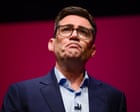
Burnham vows cost of living relief as future PM
Burnham pledges business rates cuts and energy price reductions as prime minister. Exclusive plans to ease cost of living pressures announced.

Cost of Living Relief Plan Unveiled
Andy Burnham has unveiled a comprehensive cost of living relief strategy during an exclusive interview, marking his first major policy statement since returning to parliament. The Makerfield MP emphasized that implementing cost of living relief measures would be among his top priorities should he assume the role of prime minister, which political analysts expect to occur within the coming weeks.
During his appearance on LBC radio, Burnham outlined several key initiatives designed to address the financial pressures facing British households and businesses. His approach to cost of living relief demonstrates a commitment to tackling multiple sectors simultaneously, from retail operations to essential utilities and public transportation.
Business Rates and High Street Support
A central component of Burnham's cost of living relief package involves reconsidering the business rates system that has burdened many high street retailers. The future prime minister indicated that his administration would explore substantial reductions in business rates for qualifying high street businesses struggling with operational costs and declining footfall.
This initiative reflects broader concerns about the viability of traditional retail in British town centers. By reducing the financial burden through business rates adjustments, Burnham aims to create an environment where small and medium-sized enterprises can sustain operations and continue serving their communities.
Energy and Water Sector Transformation
Beyond business support, Burnham's cost of living relief strategy includes a dramatic restructuring of how essential utilities are managed across the nation. He proposed that bringing water and energy companies back into public ownership could significantly reduce bills for consumers while improving service standards and infrastructure investment.
The de-privatization approach represents a fundamental shift in how energy and water sectors operate. Rather than allowing private corporations to prioritize shareholder returns, public control would enable reinvestment of profits directly into infrastructure improvements, maintenance, and service expansion. This model could deliver substantial cost savings to households currently struggling with escalating utility bills.
Youth Transport Accessibility Initiative
A particularly notable element of Burnham's cost of living relief manifesto targets young people through free bus travel for ages 16 to 18. This policy recognizes the significant transportation costs that young people and their families bear while pursuing education and entering the workforce.
By making bus travel free for this age group, Burnham's administration would reduce barriers to education, employment, and social participation. Young people could access opportunities without financial constraints related to commuting, potentially improving educational outcomes and increasing economic mobility across socioeconomic backgrounds.
Comprehensive Approach to Financial Pressures
The combined nature of Burnham's cost of living relief initiatives demonstrates a multi-faceted understanding of contemporary economic challenges. Rather than addressing isolated issues, his package targets interconnected problems affecting household budgets, business viability, and generational opportunity.
Energy bills, water charges, retail business sustainability, and youth transportation costs represent significant expenditures that accumulate throughout the year for average families. By simultaneously addressing these areas, Burnham's cost of living relief strategy aims to create meaningful aggregate savings across different demographic groups and business sectors.
Implementation Timeline and Expectations
While Burnham has outlined these policy intentions, the specific implementation timeline and legislative mechanisms remain subjects for further detail. Political observers anticipate that if Burnham becomes prime minister as expected, these cost of living relief measures would feature prominently in early government priorities and legislative agendas.
The announcement comes at a critical moment when household financial stress remains elevated and businesses continue reporting significant operational challenges. Burnham's willingness to discuss these policies during his post-parliament return interview signals their importance within his broader political vision.
Political Context and Significance
This statement from the Makerfield MP represents a significant marker in his political trajectory and the broader conversation surrounding British economic policy. As a major political figure preparing for potential high office, Burnham's articulation of cost of living relief priorities will likely influence public discourse and shape expectations for his potential administration.
The emphasis on structural economic reforms—particularly regarding utility privatization and business rates—distinguishes his approach from conventional political responses to economic pressures. These policies suggest a preference for systematic solutions over temporary relief measures, reflecting a longer-term vision for British economic organization and household financial security.