
Ex-Olympic Athlete Denies Vandalism Charge at Washington Reflecting Pool
Former Olympian refutes vandalism allegations at Washington's iconic Reflecting Pool, claiming innocent curiosity. Read the full story.
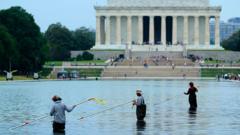
Former Olympian Denies Vandalism Charge at Washington Reflecting Pool
A retired Olympic competitor has firmly rejected accusations of vandalism at the Washington Reflecting Pool, one of the nation's most recognizable landmarks. The incident, which resulted in the athlete's arrest, has sparked questions about the circumstances surrounding the alleged damage to the historic site's recently applied coating.
The Incident and Initial Allegations
The vandalism washington reflecting pool incident occurred when authorities apprehended the former athletic champion near the site. Following his detention, investigators initially alleged that the individual had deliberately damaged or removed the fresh paint coating that had been meticulously applied to the pool's surface as part of ongoing restoration efforts.
The Athlete's Defense
In direct contradiction to the allegations, Davey Hearn has maintained his complete innocence regarding the vandalism charge. According to his account, his presence at the location resulted solely from innocent curiosity about the new paint application. He asserts that he was examining the surface and texture of the freshly painted area, a seemingly harmless action that authorities apparently misinterpreted as destructive conduct.
Hearn explicitly denies removing any material from the pool's surface or making any alterations to the newly applied protective coating. His legal defense centers on the distinction between casual inspection and deliberate vandalism, arguing that merely touching newly painted surfaces does not constitute criminal activity or demonstrate intent to cause damage.
The Washington Reflecting Pool Context
The Washington Reflecting Pool remains a centerpiece of the nation's capital, located directly between the Lincoln Memorial and the Washington Monument. The site undergoes regular maintenance to preserve its structural integrity and aesthetic appearance. Recent renovation projects have included comprehensive repainting initiatives designed to protect the historic structure from environmental degradation and weathering.
The pool's significance extends beyond its architectural importance. It serves as a gathering place for tourists, residents, and visitors who come to experience one of America's most cherished monuments. The maintenance of this public space requires careful oversight and protection from damage that could compromise its condition or accessibility.
Olympic Background and Public Interest
Hearn's status as a former Olympian has amplified public attention surrounding the case. Athletic competitors of his caliber typically maintain high public profiles, and any legal proceedings involving such individuals tend to attract media scrutiny and public debate. His athletic achievements and reputation now intersect with criminal allegations that he steadfastly denies.
Legal Proceedings and Investigation
The case now moves forward through the legal system, with investigators examining evidence related to the alleged vandalism. Authorities will need to establish clear proof that damage occurred and that Hearn deliberately caused it. The distinction between accidental contact with wet paint and intentional vandalism becomes critical in determining the outcome of charges.
Security footage, witness statements, and physical evidence collected from the scene will likely play significant roles in the investigation. The prosecution must demonstrate not only that damage occurred, but that it resulted from Hearn's deliberate actions rather than coincidental contact or innocent examination of the newly painted surface.
Statement on Recent Paint Application
The timing of Hearn's alleged contact with the pool coincided with the completion of a recent paint application project. Maintenance crews had just finished applying protective coatings designed to extend the lifespan of the pool's structural components and maintain its visual appearance. Fresh paint remains particularly vulnerable to disturbance during its curing process, making the pool temporarily off-limits to the public.
Ongoing Questions and Concerns
The incident raises broader questions about public access to national monuments during maintenance periods and the protocols in place to prevent accidental or deliberate damage to these treasured sites. How clearly were warnings communicated? Were appropriate barriers established? These considerations may influence how authorities and the court evaluate Hearn's claim of innocent curiosity.
The former Olympian's defense strategy appears to hinge on demonstrating that his actions, while perhaps questionable in judgment, did not constitute the criminal intent necessary to support vandalism charges. His legal team will work to establish that touching wet paint, while potentially problematic from a maintenance perspective, falls short of the legal definition of deliberate property destruction.
Looking Forward
As this case develops, it will serve as a test of how authorities distinguish between innocent mistakes near protected monuments and actual criminal vandalism. The resolution of charges against Davey Hearn may establish important precedent regarding public conduct at national landmarks and the consequences of inadvertent contact with newly maintained surfaces.


