
Venezuelan Earthquake Survivor Rescued After 8 Days Trapped Under Rubble
Venezuelan rescue teams pull Hernán Gil alive from collapsed car park after 8 days. Dramatic survival story amid earthquake aftermath in Venezuela.
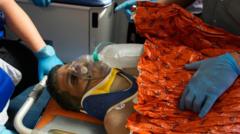
Dramatic Rescue: Venezuelan Earthquake Survivor Found After Eight Days
In a remarkable feat of endurance and determination, an earthquake survivor in Venezuela has been pulled to safety after spending eight consecutive days trapped beneath the wreckage of a collapsed multi-storey car park. The rescue operation stands as a testament to the resilience of both the victim and the dedicated teams working tirelessly to locate those missing following the devastating seismic event.
The Rescue Operation Unfolds
Hernán Gil, the earthquake survivor who became the focus of an intensive rescue mission, was discovered alive beneath tons of concrete and metal debris. Throughout his entrapment, Gil maintained communication with rescue workers, providing crucial information about his location and condition. His voice became a beacon of hope for the teams working around the clock to extract him from the dangerous rubble.
The operation to free the earthquake survivor required careful coordination and specialized equipment. Rescue teams had to navigate through unstable structural elements, constantly assessing risks while working to reach Gil without causing further collapse. The precision demanded in such operations cannot be overstated, as any miscalculation could have catastrophic consequences for both the victim and the rescuers.
Communication Kept Hope Alive
Throughout his eight-day ordeal, Hernán Gil remained in contact with the rescue crews, encouraging them as they inched closer to his location with each passing hour. His determination and mental fortitude proved instrumental in sustaining the morale of the search teams. Gil's ability to communicate his precise whereabouts helped rescuers navigate the complex maze of collapsed infrastructure with greater accuracy and confidence.
The psychological aspect of such rescues cannot be underestimated. For an earthquake survivor to maintain composure and provide coherent information after days of confinement in darkness represents extraordinary human resilience. Gil's encouragement to the rescue teams transformed what could have been a hopeless situation into a collaborative effort where both victim and rescuers drew strength from one another.
The Collapsed Car Park Structure
The multi-storey car park that collapsed during the earthquake presented unique challenges for rescue operations. Unlike buildings designed with habitable spaces, parking structures often have large, open areas and shifting vehicle debris, making it difficult to predict safe pathways through the wreckage. The earthquake survivor's location within this complex structure added layers of difficulty to an already perilous rescue mission.
Engineers assessed the remaining structural integrity of the car park to determine safe zones where rescue teams could operate. The presence of heavy concrete slabs and steel reinforcement meant that any extraction would require specialized cutting and lifting equipment. Every movement had to be calculated to prevent secondary collapses that could endanger both the earthquake survivor and the rescue personnel.
Regional Impact and Response
The earthquake that caused this tragedy prompted immediate response from Venezuelan authorities and international rescue organizations. The discovery of an earthquake survivor after such an extended period provided renewed hope that other individuals might still be found alive beneath the rubble. This successful rescue operation demonstrated the effectiveness of coordinated emergency response protocols in Venezuela.
The incident highlighted both the vulnerabilities of existing infrastructure in earthquake-prone regions and the importance of preparedness planning. Engineers and officials began reviewing building codes and emergency procedures to prevent similar catastrophes in future seismic events affecting Venezuelan communities.
A Story of Human Endurance
Hernán Gil's rescue represents far more than a successful emergency operation. It exemplifies human determination, the power of hope, and the vital importance of organized rescue efforts following natural disasters. The earthquake survivor's eight-day survival against overwhelming odds has inspired many and underscored the critical role that professional rescue teams play in saving lives.
Medical teams immediately assessed Gil's condition following extraction from the rubble. The focus on rapid medical evaluation was essential, as individuals trapped for extended periods face complications including dehydration, injuries from falling debris, and psychological trauma. The expertise of Venezuelan medical professionals ensured that the earthquake survivor received appropriate care immediately following the dramatic rescue.
Lessons for Emergency Management
This incident provides valuable insights for emergency management professionals across Latin America and beyond. The successful location and rescue of an earthquake survivor after eight days demonstrates that persistence and well-coordinated efforts can yield positive outcomes even in seemingly impossible circumstances. The protocols followed in this operation are now being studied as potential models for future disaster response.
The earthquake survivor's story will likely inform future training programs for rescue teams, with emphasis on maintaining communication with trapped individuals and the psychological strategies that help sustain hope during extended rescue operations. As Venezuela continues recovery efforts following the seismic event, the lessons from Hernán Gil's rescue will shape how the nation approaches disaster preparedness and response moving forward.


