
US Halts HIV Funding in South Africa: Impact on 8 Million Patients
The United States ends financial support for HIV programmes in South Africa, home to 8 million HIV-positive individuals. Learn about the consequences for treatm...
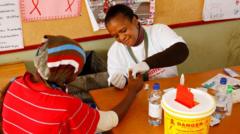
United States Discontinues HIV Programme Financing in South Africa
A significant shift in international health policy has emerged as the United States announces the discontinuation of financial support for HIV funding South Africa. This decision carries profound implications for the nation that currently hosts the world's largest HIV-positive population, with more than eight million individuals living with the virus.
The Scale of the HIV Crisis in South Africa
South Africa faces an unprecedented health challenge, housing approximately eight million people diagnosed with HIV—a figure that surpasses every other country globally. This staggering number underscores the critical nature of sustained international support for HIV programmes in the region. The prevalence of the virus has shaped healthcare infrastructure, treatment accessibility, and public health priorities across the nation for decades.
Historical Context of International Support
The United States has historically played a central role in funding HIV treatment, prevention, and research initiatives throughout South Africa. This financial backing has supported the distribution of antiretroviral medications, establishment of testing facilities, and implementation of public awareness campaigns. The abrupt withdrawal of these resources raises questions about the continuity of care for millions of vulnerable patients.
Implications for Treatment Accessibility
The termination of US financial assistance threatens to disrupt established HIV treatment programmes across South Africa. Healthcare facilities that have relied on international funding to maintain antiretroviral therapy programmes may face operational challenges. Patients currently enrolled in treatment regimens could experience interruptions in medication supply, potentially leading to increased transmission rates and resistance development among viral strains.
Impact on Prevention Initiatives
Prevention programmes, including pre-exposure prophylaxis (PrEP) distribution and sexual health education, may suffer significant setbacks due to reduced funding availability. These preventative measures have demonstrated effectiveness in reducing new infections, particularly among high-risk populations. The loss of financial support could reverse progress achieved over the past decade in controlling transmission rates.
Response from South African Health Authorities
South African government officials and healthcare organizations have expressed concern regarding the sustainability of HIV programmes without continued international financial support. Medical professionals acknowledge that domestic budgets, while increasing, remain insufficient to fully compensate for the withdrawal of US funding. The situation demands urgent development of alternative funding mechanisms and increased domestic resource allocation.
Regional Health System Considerations
The broader Southern African region may experience ripple effects from this policy change. South Africa's HIV healthcare infrastructure serves as a reference point for neighbouring countries seeking guidance on treatment protocols and programme management. The stability of these systems influences regional health security and disease control effectiveness.
International Response and Future Outlook
Global health organizations continue evaluating the long-term consequences of reduced funding for HIV programmes. The international community recognizes that sustained investment in South African HIV initiatives benefits global public health objectives, as untreated populations can contribute to viral evolution and transmission across borders.
The discontinuation of US financial support represents a critical juncture for South Africa's HIV response strategy. Policymakers must navigate the challenge of maintaining programme continuity while developing sustainable, locally-funded alternatives. The millions of South Africans depending on these health services await clarity on how treatment accessibility will be preserved during this transition period.


