
Ukrainian Forces Strike Russian Grain Export Hubs at Black Sea Port
Ukrainian military targets major Russian grain export terminals at Black Sea ports, impacting grain trade. Latest developments on Russia-Ukraine shipping confli...
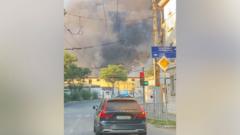
Russian Grain Export Infrastructure Under Fire
Ongoing military operations have resulted in significant damage to Russian grain export terminals positioned along the Black Sea coast. The strategic strikes on Russian grain export terminals represent an escalation in the maritime conflict between Moscow and Kyiv, with both nations targeting critical commercial shipping infrastructure that serves their respective agricultural sectors.
Bilateral Port Attacks Disrupt Global Grain Trade
The deteriorating situation in the region reflects a broader pattern of mutual attacks on key export facilities. Ukraine has intensified operations against Russian shipping infrastructure, while Moscow's forces have simultaneously targeted Ukrainian port installations and maritime assets. This reciprocal targeting of grain export infrastructure has created severe disruptions to international grain markets, affecting commodity prices and food security globally.
Impact on Grain Shipments and Export Capacity
Both Russia and Ukraine have experienced substantial reductions in their grain export capabilities as a direct consequence of these military operations. Russian grain export terminals that once operated at full capacity now face operational constraints and security concerns. Meanwhile, Ukrainian agricultural producers struggle to find viable export routes, forcing them to seek alternative maritime corridors or land-based transportation solutions.
Production Versus Transportation Challenges
While both countries maintain significant grain production capabilities, the infrastructure damage has created a bottleneck in the export chain. Russian facilities must redirect shipments through alternative ports, increasing costs and transportation times. Ukrainian exporters face even greater obstacles, with port infrastructure partially degraded and security risks limiting operational hours at remaining functional terminals.
Global Market Ramifications
The disruptions affecting Russian grain export terminals and Ukrainian shipping capacity have reverberated through international commodity markets. Global grain prices have experienced volatility as buyers seek alternative suppliers and hedge against supply uncertainties. Countries dependent on imports from both nations face potential shortages and price inflation, particularly affecting developing nations with limited procurement flexibility.
Strategic Military Objectives
Military analysts suggest the attacks on grain export infrastructure serve dual purposes: economic damage and denial of revenue sources. By targeting Russian grain export terminals, Ukrainian forces aim to reduce Moscow's foreign currency earnings while disrupting supply chains that benefit Russian allies. Conversely, Russian operations against Ukrainian ports attempt to constrain Kyiv's economic resources and weaken its capacity to fund military operations.
Long-Term Infrastructure Implications
Reconstruction efforts for damaged grain export terminals and port facilities will likely extend for years following the cessation of hostilities. The cost of rehabilitating Russian grain export terminals and restoring Ukrainian shipping capacity will strain economic resources and divert investment from other sectors. Insurance companies have already begun reassessing coverage for maritime operations in the region, driving up costs for legitimate commercial shipping.
Adaptive Measures by Export Nations
Both countries have implemented contingency strategies to maintain grain shipments despite infrastructure damage. Temporary storage solutions, alternative transport corridors through neighboring territories, and diplomatic agreements with third parties represent efforts to circumvent the port disruptions. However, these alternatives prove significantly less efficient than direct port operations.
The strikes on Russian grain export terminals and the simultaneous attacks on Ukrainian facilities illustrate how modern conflicts extend beyond military engagement to encompass economic warfare through critical infrastructure targeting. The consequences extend far beyond the immediate combatants, affecting global food security and economic stability throughout international markets.


