
Ukraine's Military Chief Removed Amid Leadership Controversy
Oleksandr Syrskyi dismissed as Ukraine's top commander following public backlash. Defence Minister Mykhailo Fedorov's controversial removal sparks major reforms...
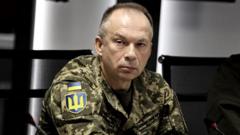
Ukraine's Military Leadership Undergoes Significant Restructuring
Ukraine's military commander has been relieved of his position following mounting tensions within the country's defense establishment. The dismissal of the nation's top military official represents a major shift in the armed forces' command structure and reflects deep institutional challenges facing the Ukrainian military during an ongoing conflict.
The decision to remove Ukraine's military commander comes as a direct response to widespread criticism regarding the handling of personnel changes within the defense ministry. Senior military officials faced increasing pressure from both within the armed forces and from the general public, who expressed their concerns about the direction of military leadership and strategic decision-making processes.
Public Backlash and Defence Ministry Changes
The controversy surrounding Ukraine's military commander intensified following the controversial decision to remove a widely respected Defence Minister. Mykhailo Fedorov, who held significant influence and popularity among military personnel and the public, was reassigned from his position, triggering substantial protests and expressions of discontent across military ranks.
The removal of the Defence Minister served as a catalyst for broader questioning of Ukraine's military command structure. Officers and soldiers, along with military families and civil society organizations, voiced their opposition to what many viewed as an unjustified decision affecting experienced leadership at a critical time for the nation's defense capabilities.
Reasons Behind the Command Structure Reorganization
The dismissal of Ukraine's military commander reflects ongoing tensions between the country's civilian leadership and military establishment. These tensions have been building over strategic disagreements, administrative procedures, and questions about the effectiveness of current military management in addressing operational challenges on the ground.
Military analysts suggest that the restructuring demonstrates efforts by Ukraine's government to consolidate control over military decision-making and ensure alignment between civilian and military objectives. However, the approach has proven contentious, with critics arguing that removing experienced commanders during wartime operations poses risks to operational effectiveness and unit cohesion.
Impact on Military Operations and Morale
The departure of Ukraine's military commander raises concerns about potential disruptions to ongoing military operations and strategic planning. Leadership transitions at the highest levels of command structures can affect coordination between different military units and may influence the distribution of resources and tactical decision-making processes.
Military personnel expressed concerns about how the changes would affect their operational capabilities and unit effectiveness. The uncertainty surrounding Ukraine's military command succession potentially impacts morale among troops who must maintain focus on their primary mission during an extended conflict. Experienced commanders and their teams worry about maintaining continuity of strategic vision and operational planning.
Government Response and Future Implications
Government officials justified the organizational changes as necessary for strengthening institutional efficiency and ensuring proper oversight of military operations. The administration emphasized that personnel decisions were made in the national interest and reflected the government's commitment to maintaining an effective defense apparatus capable of responding to current security challenges.
The restructuring signals that Ukraine's political leadership remains determined to exercise decisive control over military matters. Whether these personnel changes ultimately strengthen or weaken military effectiveness remains a subject of considerable debate among defense experts and military observers closely monitoring developments within Ukraine's armed forces.
Broader Context of Military Leadership in Ukraine
Ukraine's military commander removal must be understood within the context of broader institutional challenges facing the country's defense sector. The armed forces have experienced significant growth and transformation in recent years, requiring constant adjustment of command structures and operational procedures to meet evolving security demands.
The dismissal decision reflects ongoing debates about optimal military organization, the balance between civilian oversight and military autonomy, and the most effective approaches to defense management. These issues remain central to discussions about Ukraine's long-term security strategy and institutional development within the military establishment.


