
Trump Reduces Military Exercises with South Korea Citing North Korea Relations
Trump announces US will scale back military drills with South Korea. The decision stems from his diplomatic relationship with North Korea's leader and aims to e...
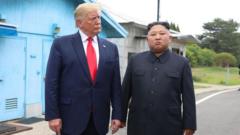
Trump Announces Reduction in US-South Korea Military Drills
President Donald Trump has declared that the United States will significantly reduce the scope of military drills conducted jointly with South Korea, marking a notable shift in defense strategy on the Korean peninsula. The decision regarding military drills with South Korea reflects Trump's broader approach to diplomatic engagement in the region and his emphasis on maintaining what he describes as a constructive relationship with North Korean leadership.
Rationale Behind the Military Exercise Changes
Trump attributed his decision to scale back the military drills with South Korea to his established rapport with North Korea's leader. According to the president, his "very good relationship" with the North Korean leadership played a crucial role in determining the new approach to these training operations. This strategic recalibration suggests an attempt to balance security commitments with diplomatic initiatives aimed at reducing tensions on the peninsula.
Strategic Implications for the Region
The reduction of military exercises carries significant implications for regional stability and security architecture. Military drills with South Korea have traditionally served as a demonstration of American commitment to the defense of its allies and as a deterrent against potential aggression. By downsizing these operations, the administration signals a preference for diplomatic channels over military posturing, though defense analysts remain divided on the long-term consequences of this approach.
South Korea's Position and Response
South Korea, as a critical US ally in East Asia, faces complex considerations regarding the reduction in joint military drills. The country maintains its own security concerns while navigating the diplomatic landscape shaped by American policy decisions. The scale-back of these military exercises raises questions about how South Korea will adjust its defense posture and maintain deterrence capabilities in the face of potential threats.
Context of Regional Tensions
The decision comes within a broader context of fluctuating tensions on the Korean peninsula. Military drills with South Korea have historically been viewed with concern by North Korea, which often characterizes such exercises as provocative rehearsals for invasion. Trump's willingness to curtail these operations reflects his perception that reducing military posturing could facilitate progress in negotiations with North Korean leadership and promote stability in the region.
Diplomatic Strategy and Long-Term Goals
The administration's approach suggests a prioritization of diplomatic engagement over military deterrence as the primary mechanism for managing Korean peninsula security issues. By reducing the scale and frequency of military drills with South Korea, Trump appears to be creating space for dialogue while maintaining the underlying security alliance. This strategy represents a departure from previous administrations' approaches, which emphasized robust military exercises as essential components of regional deterrence.
Impact on Alliance Relationships
The reduction in military operations impacts the broader US-South Korea alliance framework. Joint military preparations have served as a foundation for interoperability, training readiness, and mutual defense planning. The scaling back of these exercises necessitates careful coordination between American and South Korean defense officials to ensure that security commitments remain credible and that allied forces maintain necessary capabilities.
Trump's decision to reduce military drills with South Korea underscores his administration's emphasis on personal diplomatic relationships with foreign leaders as a primary tool for advancing American interests. The long-term effectiveness of this approach in achieving the administration's stated goals of denuclearization and regional stability remains a subject of considerable analysis among security experts and policymakers alike.


