
Trump Abandons Hormuz Strait Tariff Plan Amid US Iran Port Blockade
Trump reverses 20% tariff threat on Hormuz cargo as the US intensifies its blockade operations against Iranian ports. Latest developments on trade and sanctions...
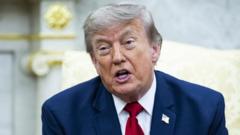
Trump Reverses Hormuz Strait Tariff Decision
The Hormuz Strait tariff proposal has been withdrawn by the Trump administration just one day after its announcement, marking a significant shift in the government's approach to regulating maritime commerce through one of the world's most critical waterways. The decision comes as the United States maintains its ongoing pressure campaign against Iranian port operations through coordinated blockade efforts.
The initial announcement of a proposed 20% fee on vessels traversing the Strait of Hormuz generated immediate concern among shipping companies, international trade organizations, and allied nations dependent on stable maritime access. However, the rapid reversal suggests reconsideration of the economic implications and diplomatic consequences such a unilateral tariff would have triggered across global supply chains.
Context of US Iran Port Operations
The United States continues its comprehensive strategy to restrict Iranian maritime commerce through enhanced port surveillance and blockade measures. These enforcement actions target Iran's ability to conduct international trade, particularly in oil exports and other critical commodities that generate government revenue.
Administration officials have maintained that the Hormuz Strait blockade initiative remains a central component of broader sanctions architecture designed to pressure Iran into policy concessions. The blockade operations involve coordinated naval presence, cargo inspection protocols, and intelligence sharing arrangements with regional partners committed to containing Iranian maritime expansion.
Strategic Implications for Global Shipping
The withdrawal of the Hormuz Strait tariff plan represents a tactical recalibration rather than a fundamental abandonment of confrontational approaches toward Iran. Shipping industry analysts suggest that alternative mechanisms for restricting Iranian commerce may be implemented, including enhanced vessel inspection procedures and stricter enforcement of secondary sanctions.
International maritime operators expressed relief at the tariff reversal, recognizing that additional port fees would have increased transportation costs globally and created complex compliance challenges. The Strait of Hormuz handles approximately one-third of the world's seaborne oil trade, making any disruption to normal shipping operations a matter of international economic concern.
Continuing Blockade Strategy
While the Hormuz Strait tariff has been abandoned, the underlying blockade operations against Iranian ports persist with undiminished intensity. US naval vessels maintain strategic positions throughout regional waters, monitoring vessel movements and enforcing compliance with American sanctions regimes.
The blockade encompasses multiple enforcement mechanisms designed to maximize economic pressure on the Iranian government. These include inspection of suspect cargo shipments, identification and seizure of sanctioned goods, and documentation of sanctions violations by third-party actors attempting to circumvent trade restrictions.
International Response to Policy Shift
Global maritime authorities and shipping associations received the tariff withdrawal favorably, though concerns remain regarding the overall trajectory of US-Iran policy. European Union officials indicated that unilateral fees on Hormuz shipping would have constituted an unprecedented intervention in international maritime commerce, potentially violating established Law of the Sea conventions.
Asian nations dependent on Middle Eastern energy imports expressed cautious optimism about the decision to abandon the tariff proposal. However, shipping companies continue monitoring US policy developments closely, recognizing that blockade operations could intensify through alternative regulatory mechanisms.
Future Policy Direction
The reversal of the Hormuz Strait tariff initiative does not signal a broader relaxation of sanctions pressure against Iran. Administration officials continue advancing multiple strategic objectives through coordinated blockade operations, intelligence sharing with regional allies, and enforcement of existing trade restrictions.
The Hormuz Strait remains a focal point for US foreign policy regarding Iran, with strategic planners emphasizing the importance of maintaining maritime dominance and limiting Iranian revenue generation. Future policy announcements may introduce revised approaches to regulating commerce through the waterway while avoiding the diplomatic complications that accompanied the tariff proposal.


