
Strait of Hormuz Negotiations Show Promise Amid Iran Warnings Over Access
Oman reports progress in Strait of Hormuz talks for new shipping routes, though Iran warns a deal won't automatically open the waterway. Latest updates on marit...
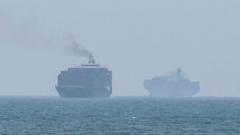
Strait of Hormuz Negotiations Show Promise Amid Iran Warnings Over Access
Diplomatic efforts surrounding the Strait of Hormuz negotiations have entered a new phase of optimism, according to statements from Oman officials who are mediating discussions between key regional parties. The Strait of Hormuz negotiations represent a critical initiative aimed at establishing alternative maritime pathways through one of the world's most strategically important waterways. However, Iranian authorities have issued cautionary statements suggesting that any eventual agreement would not automatically guarantee unrestricted access to the contested passage.
Positive Signals from Oman in Ongoing Talks
Omani diplomatic representatives have expressed cautious optimism regarding the progress made during recent rounds of negotiations focused on establishing new shipping corridors through the region. The sultanate, which borders both the Persian Gulf and Gulf of Oman, maintains a neutral stance that has positioned it as an ideal mediator for complex regional discussions. Officials from the Omani government indicated that both participating parties have demonstrated increased willingness to explore viable solutions that could benefit international maritime commerce.
The discussions center on creating designated shipping routes that would provide alternative passages for vessels navigating one of the world's busiest chokepoints for global oil transportation. These proposed corridors aim to reduce tensions and provide greater security assurances for commercial shipping interests operating throughout the region.
Iran's Strategic Position on Maritime Access
Iranian officials have simultaneously issued clarifications regarding their perspective on any potential agreement emerging from these ongoing talks. Tehran's position emphasizes that securing diplomatic consensus on a new shipping arrangement would not equate to unilateral opening of maritime passage or constitute acceptance of external oversight of regional waters. This statement reflects Iran's broader strategic objective of maintaining sovereign control over waters within its territorial jurisdiction.
The Iranian government has historically maintained firm positions regarding navigation through the Strait of Hormuz, viewing the waterway as integral to its national security interests. Officials have stated that while they remain engaged in constructive dialogue, any final agreement must respect regional sovereignty and established maritime laws.
Current State of Negotiations and Progress
Despite encouraging signals from mediating parties, comprehensive agreement on a final shipping corridor arrangement remains elusive. Sources familiar with the discussions indicate that both sides continue to hold divergent positions on several key technical and security-related issues. The complexity of negotiating maritime passage agreements stems from competing national interests, strategic concerns, and historical tensions affecting the region.
Oman has positioned itself as a critical neutral party capable of facilitating productive dialogue between conflicting interests. The sultanate's geographic location and established diplomatic relationships with all parties involved make it uniquely suited for this mediating role. Omani officials have worked systematically to identify common ground and build consensus on points of mutual agreement.
International Shipping Implications
The Strait of Hormuz serves as a vital passage for approximately one-third of seaborne traded oil globally, making any disruption to shipping through these waters a matter of significant international concern. Negotiations aimed at establishing secure and predictable maritime corridors could provide stability for global energy markets and international commerce.
Shipping companies and energy producers have maintained close attention to developments in these discussions, given the direct impact on their operational costs, insurance premiums, and supply chain security. Establishing clearly defined shipping routes through the waterway could reduce uncertainty and enhance confidence in the region's maritime stability.
Looking Forward to Diplomatic Resolution
While recent statements from Oman suggest movement toward potential agreement, observers caution that significant obstacles remain before reaching a comprehensive settlement. The Strait of Hormuz negotiations require careful balancing of multiple competing interests while respecting the legitimate security concerns of all involved parties.
Future rounds of talks will likely focus on technical specifications for the proposed shipping corridors, security protocols, and enforcement mechanisms that could gain acceptance from all parties. The involvement of experienced diplomatic mediators from Oman provides a foundation for continued progress, though the timeline for reaching final agreement remains uncertain.
International stakeholders, including shipping associations, oil producers, and maritime authorities, continue monitoring these negotiations closely. Success in establishing new shipping arrangements could significantly improve stability in global energy markets and enhance confidence in regional maritime security arrangements.


