
Rotterdam Port Faces Growing Demands to Accelerate Green Transition Strategy
Environmental lawsuit pressures Rotterdam Port to rapidly reduce fossil fuel dependency. Discover how Europe's largest port is responding to sustainability chal...
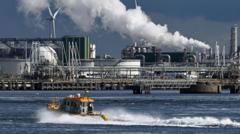
Rotterdam Port Under Pressure to Embrace Sustainability
Europe's largest maritime facility, the Rotterdam Port, is confronting escalating pressure to expedite its green transition and reduce reliance on fossil fuel operations. A significant environmental lawsuit has ignited renewed debate about the institution's commitment to decarbonization efforts and long-term sustainability goals.
Legal Action Drives Change at Rotterdam Port
The lawsuit targeting Rotterdam Port represents a watershed moment in the global movement toward decarbonizing major shipping hubs. Environmental organizations argue that the facility's current pace of transitioning away from hydrocarbon-dependent operations falls substantially short of what scientific consensus and international climate agreements demand. This legal challenge seeks to compel the port authority to implement more aggressive timelines for eliminating fossil fuel infrastructure and operations.
The Business Case for Sustainability
Rotterdam Port authorities acknowledge the strategic importance of environmental stewardship in maintaining their competitive advantage. As one of the world's busiest container terminals, the facility handles millions of tonnes of cargo annually across hundreds of international shipping routes. The institution recognizes that sustainable operations are increasingly essential for attracting environmentally conscious shipping companies and international clients committed to carbon-neutral supply chains.
Current Environmental Initiatives and Limitations
The port has implemented several green initiatives, including expanded electrical connections for berthed vessels, investment in renewable energy infrastructure, and collaborative programs with shipping lines to optimize fuel efficiency. However, environmental advocates contend these measures remain insufficient given the scale of operations and the urgency of climate crisis response. Rotterdam Port's heavy involvement with petrochemical refineries and conventional fuel suppliers has complicated efforts to accelerate decarbonization without disrupting critical economic functions.
Infrastructure Challenges in Transition
Converting a port of Rotterdam Port's magnitude requires substantial capital investment, technological innovation, and coordination among diverse stakeholders including shipping companies, terminal operators, and energy providers. The facility's extensive pipeline networks, storage facilities, and refueling infrastructure were engineered around conventional fossil fuels, making rapid transformation technically and financially complex.
European Maritime Sustainability Standards
Rotterdam Port operates within an increasingly stringent regulatory environment shaped by European Union directives on emissions reduction and maritime decarbonization. The International Maritime Organization has established binding targets for fleet-wide greenhouse gas reductions, positioning ports as critical nodes in achieving broader climate objectives. Rotterdam Port's response will likely influence strategies adopted by competing European maritime facilities.
Competitive Pressure Among Major Ports
Other significant European ports are advancing their own sustainability programs, creating competitive incentives for Rotterdam Port to strengthen environmental credentials. Hamburg, Antwerp, and other facilities are simultaneously addressing similar pressures, making the maritime sector a focal point for global decarbonization efforts.
Path Forward for Rotterdam Port
The lawsuit appears likely to accelerate negotiations between port management, environmental organizations, shipping industry representatives, and government authorities regarding realistic yet ambitious decarbonization timelines. Rotterdam Port stakeholders increasingly recognize that sustainability commitments strengthen the facility's long-term viability and market position. Investment in alternative fuels infrastructure, renewable energy generation, and electrification technologies represents both environmental necessity and economic opportunity for Europe's maritime gateway.
Broader Implications for Global Shipping
The pressure on Rotterdam Port reflects global momentum toward transforming maritime industries. As major shipping routes transition toward cleaner fuel alternatives and zero-emission technologies mature, ports positioned as sustainability leaders will capture disproportionate market share and retain premium shipping line partnerships dedicated to carbon-neutral operations.


