Revolutionary Microscope 'Curie' Offers Hope for Inflammatory Bowel Disease
Groundbreaking 'Curie' microscope operates at 10x resolution of standard equipment, potentially unlocking new treatments for inflammatory bowel disease affectin...
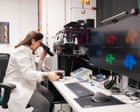
Advanced Microscopy Technology Opens New Possibilities
A groundbreaking advancement in imaging technology is set to transform the landscape of inflammatory bowel disease research. Scientists have developed an extraordinary microscope system capable of operating at resolutions 10 times superior to conventional microscopy equipment. This powerful innovation, known as 'Curie', represents a significant leap forward in understanding the molecular mechanisms underlying inflammatory bowel disease and related gastrointestinal conditions.
The development of inflammatory bowel disease microscopy capabilities marks a pivotal moment in medical research. By enabling researchers to examine tissue samples at unprecedented magnification levels, the Curie microscope promises to reveal cellular and molecular details previously invisible to standard diagnostic equipment. This enhanced visibility could unlock crucial insights into disease mechanisms and accelerate the discovery of novel therapeutic approaches.
The Growing Burden of Inflammatory Bowel Disease
The global prevalence of inflammatory bowel disease continues to rise, particularly among younger populations. According to the British Society of Gastroenterology, more than half a million individuals across the United Kingdom are currently living with inflammatory bowel disease. This chronic condition encompasses two primary forms: Crohn's disease and ulcerative colitis, each presenting distinct challenges for patients and healthcare providers.
Inflammatory bowel disease represents one of the most significant public health concerns of our time. The incurable nature of these conditions means that patients face lifelong management challenges, often requiring multiple medications and lifestyle adjustments. The emotional and physical toll on affected individuals and their families underscores the urgent need for improved treatment options and, ultimately, preventative strategies.
Understanding the Root Causes
Despite decades of medical research, the fundamental mechanisms driving inflammatory bowel disease remain incompletely understood. Scientists believe that a complex interplay of genetic factors, immune system dysfunction, and environmental triggers contributes to disease development. However, without the ability to visualize cellular processes in exquisite detail, researchers have been constrained in their ability to identify specific pathological pathways.
The Curie microscope's exceptional resolution capabilities address this critical knowledge gap. By magnifying tissue structures and cellular components at levels 10 times greater than conventional microscopes, researchers can now observe inflammatory processes, immune cell interactions, and tissue damage mechanisms with unprecedented clarity. This enhanced visualization capability could reveal previously hidden aspects of inflammatory bowel disease pathology that have eluded detection through traditional diagnostic methods.
Potential for Breakthrough Discoveries
The implications of this technological advancement extend far beyond basic research. If scientists can better understand the root causes of inflammatory bowel disease through Curie microscopy, they may be positioned to develop entirely new classes of therapeutic interventions. Current treatments primarily focus on managing symptoms and suppressing immune responses, but identifying specific molecular targets could enable the development of more precise, personalized medicine approaches.
Researchers anticipate that insights gained through Curie microscopy could lead to earlier disease detection, improved prognostic markers, and therapeutic strategies that address the underlying pathology rather than merely treating symptoms. This represents a fundamental shift from symptomatic management toward potential disease modification or prevention.
Global Impact on Gastrointestinal Research
The development of such advanced microscopy technology carries implications that extend well beyond inflammatory bowel disease. Scientists recognize that similar mechanisms might underlie other gastrointestinal and systemic disorders. By advancing our understanding through Curie microscopy, researchers may generate insights applicable to multiple disease categories affecting millions of individuals worldwide.
The investment in this sophisticated imaging technology reflects the scientific community's commitment to addressing currently incurable conditions. As inflammatory bowel disease continues to affect increasing numbers of young people globally, the Curie microscope represents a concrete step toward transforming patient outcomes and quality of life. The convergence of advanced technology and dedicated research efforts promises to bring new hope to individuals living with these challenging chronic conditions.