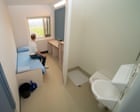
Regulatory Probe Into Bedroom Monitoring in Mental Health Wards
Information Commissioner launches investigation into Oxevision surveillance system used across 40% of NHS mental health trusts amid serious data protection and...

Investigation Launched Into Bedroom Monitoring System
The Information Commissioner's Office has initiated a formal inquiry into bedroom monitoring in mental health facilities, specifically targeting the Oxevision system that remains in operation across numerous NHS trusts. This investigation represents a significant regulatory response to escalating concerns about patient privacy and data protection standards within mental health settings.
The bedroom monitoring system in question has drawn substantial criticism from patients, advocacy groups, and families affected by mental health crises. The inquiry focuses on whether the technology complies with UK data protection regulations and safeguards vulnerable individuals appropriately.
Scale of System Deployment
Approximately 40% of NHS mental health trusts currently utilise the Oxevision surveillance platform for patient observation purposes. This widespread adoption across the healthcare system highlights the significance of the regulatory investigation and the number of patients potentially affected by privacy concerns surrounding bedroom monitoring.
The prevalence of bedroom monitoring in mental health facilities raises fundamental questions about the balance between patient safety protocols and individual privacy rights. Mental health patients represent a vulnerable population, and the installation of cameras in private spaces where patients sleep and change clothes has provoked considerable debate among healthcare professionals, ethicists, and patient advocates.
Patient Concerns and Safety Perspectives
Individuals who have experienced bedroom monitoring in mental health wards describe the system as invasive and distressing. Patient testimonies characterise the bedroom monitoring approach as creating additional psychological distress rather than providing therapeutic benefit. Some have referred to the surveillance as reminiscent of intrusive monitoring practices that undermine dignity and autonomy.
Disturbingly, families bereaved through suicide have questioned whether continuous bedroom monitoring contributed to patients' deteriorating mental states. One mother has claimed that the bedroom monitoring system exacerbated her daughter's paranoid ideation before her death, suggesting potential iatrogenic effects of surveillance-based approaches to mental health care.
Data Protection and Regulatory Framework
The Information Commissioner's investigation will examine whether the bedroom monitoring system adheres to the General Data Protection Regulation and Data Protection Act 2018. Key areas of scrutiny likely include consent procedures, data storage security, access controls, and whether the scale of surveillance is proportionate to legitimate mental health and safety objectives.
Healthcare providers must demonstrate that surveillance measures are necessary, proportionate, and implemented with appropriate safeguards. The bedroom monitoring debate reflects broader tensions within modern healthcare between utilising technology for clinical safety and protecting patients' fundamental rights to privacy.
Implications for Mental Health Services
This regulatory investigation may significantly impact how mental health trusts approach patient observation and monitoring. The outcome could establish precedents for permissible surveillance methods in healthcare settings and may necessitate alternative approaches to ensuring patient safety without compromising privacy.
Mental health professionals and administrators will await the Information Commissioner's findings to understand whether current bedroom monitoring practices meet regulatory standards or require substantial modification. The investigation outcome may influence procurement decisions and patient safety protocols across the NHS mental health sector.
Looking Forward
As the inquiry progresses, stakeholders in mental health care will need to engage with fundamental questions about privacy, dignity, and effective mental health treatment. The bedroom monitoring controversy underscores the need for transparent debate about surveillance technologies in healthcare and their psychological impact on vulnerable populations.
For individuals experiencing mental health crises requiring immediate support, multiple helplines remain available. The Samaritans provides free telephone support at 116 123 across the UK and Ireland. In the United States, the National Suicide Prevention Lifeline operates at 988. Australia's Lifeline service can be reached at 13 11 14. International crisis resources are accessible through befrienders.org.