NHS Advises Testing for PMOS in Women with Irregular Periods
New NHS guidance recommends investigating up to 4 million women with irregular periods for PMOS, an underdiagnosed condition affecting reproductive health.
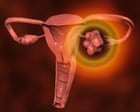
NHS Issues New Screening Recommendations for PMOS
The National Health Service has issued comprehensive guidance recommending that women experiencing irregular periods should be investigated for polyendocrine metabolic ovarian syndrome, commonly referred to as PMOS. This significant shift in clinical practice aims to address the widespread underdiagnosis and inconsistent management of the condition across healthcare settings. According to the latest NHS directive, approximately 4 million women in the United Kingdom could benefit from proper assessment and diagnosis of PMOS, marking an important step forward in women's reproductive health management.
Understanding PMOS and Its Prevalence
Polyendocrine metabolic ovarian syndrome, previously known as polycystic ovarian syndrome, represents one of the most common endocrine disorders affecting women of reproductive age. The World Health Organization estimates that PMOS affects up to 13% of women during their reproductive years, making it a significant public health concern. Despite its prevalence, the condition remains underrecognized and poorly managed in many clinical settings, leading to delayed diagnoses and suboptimal treatment outcomes for millions of affected women worldwide.
Why Irregular Periods Matter
Irregular menstrual cycles serve as a crucial early warning sign that should prompt medical investigation. Women presenting with inconsistent periods, prolonged cycles, or absent menstruation may be experiencing symptoms associated with PMOS. The condition affects hormonal balance and metabolic function, which directly impacts the regularity and predictability of menstrual cycles. Recognizing these patterns as potential indicators of underlying PMOS allows healthcare providers to initiate appropriate diagnostic protocols and therapeutic interventions earlier in the disease course.
Clinical Significance of Early Detection
Early identification of polyendocrine metabolic ovarian syndrome offers substantial benefits for patient outcomes. Women diagnosed with PMOS through systematic screening can access targeted management strategies that address both their reproductive concerns and metabolic complications. The condition carries implications beyond menstrual irregularity, including increased risks of insulin resistance, metabolic syndrome, and fertility challenges. By implementing comprehensive screening protocols for women with irregular periods, the NHS aims to reduce diagnostic delays and ensure more consistent, evidence-based treatment approaches across different healthcare facilities.
Nice Guidance and Implementation Standards
The new recommendations stem from comprehensive guidance developed by NICE, the National Institute for Health and Care Excellence, which has established standardized protocols for investigating and managing PMOS in clinical practice. This formal guidance addresses the previous inconsistency in how the condition was diagnosed and treated across various NHS trusts and primary care settings. The implementation of these unified standards is expected to improve diagnostic accuracy, reduce unnecessary delays in care, and ensure that women with PMOS receive appropriate investigations and management regardless of their geographic location or healthcare facility.
Impact on Women's Healthcare
The NHS guidance represents a watershed moment in women's reproductive health, acknowledging that PMOS requires systematic, proactive screening rather than reactive diagnosis following extensive symptoms. This approach aligns with modern clinical practice standards that emphasize early detection and prevention of complications. Women who have experienced years of irregular periods without proper investigation now have a clearer pathway to diagnosis and evidence-based treatment. The guidance also supports healthcare providers in developing consistent diagnostic criteria and management protocols, reducing variation in clinical practice and ensuring equitable access to care.
Moving Forward with PMOS Awareness
As the NHS implements these new recommendations, awareness of PMOS among both healthcare professionals and the general public is expected to increase significantly. Women experiencing irregular periods are encouraged to discuss their symptoms with their healthcare providers and request appropriate investigations in line with the new guidance. Healthcare professionals, including general practitioners and specialists, will need to familiarize themselves with the updated screening protocols and diagnostic criteria to effectively identify candidates for PMOS investigation. This collaborative approach between patients and healthcare providers is essential for translating the new NHS guidance into improved clinical outcomes and better management of polyendocrine metabolic ovarian syndrome across the country.