
Moonshot AI Reveals Kimi K3: A Chinese AI Model Challenging OpenAI
Moonshot AI presents Kimi K3, a powerful new artificial intelligence model designed to rival OpenAI and Anthropic. Learn how China's innovation challenges globa...
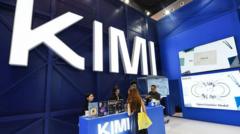
Moonshot AI Kimi K3: A New Contender in Global AI Competition
Moonshot AI, a Beijing-based artificial intelligence company, has made significant headlines by introducing Moonshot AI Kimi K3, an advanced artificial intelligence model engineered to directly compete with leading American technology firms. This strategic announcement marks a pivotal moment in the ongoing global race for artificial intelligence supremacy, as Chinese companies continue to develop sophisticated solutions capable of matching the capabilities of established international players.
The unveiling of this massive new artificial intelligence model represents a substantial investment in research and development by Moonshot AI, demonstrating the company's commitment to bridging the technological gap between Chinese and Western artificial intelligence ecosystems. Industry observers note that the introduction of such competitive models underscores the accelerating pace of artificial intelligence innovation across multiple continents.
Understanding the Kimi K3 Architecture and Capabilities
The Moonshot AI Kimi K3 has been designed with comprehensive architectural improvements aimed at delivering performance metrics comparable to those of OpenAI's offerings and Anthropic's advanced solutions. The model incorporates cutting-edge neural network designs and training methodologies that enable it to handle complex language tasks, reasoning problems, and contextual understanding across diverse applications.
Technical specifications suggest that the artificial intelligence model benefits from substantial computational resources and sophisticated training datasets. These foundational elements contribute to the model's reported ability to process information efficiently while maintaining accuracy across various linguistic and technical domains. The development team at Moonshot AI has focused particularly on optimizing response quality and reducing latency in real-world deployment scenarios.
Market Implications and Competitive Landscape
The introduction of Moonshot AI Kimi K3 carries significant implications for the broader artificial intelligence market. OpenAI and Anthropic have dominated conversations surrounding advanced language models, establishing themselves as benchmark standards for performance. The emergence of credible alternatives from Chinese developers potentially reshapes market dynamics and creates new competitive pressures across the sector.
Industry analysts emphasize that the proliferation of high-quality artificial intelligence models benefits users through increased choice, competitive pricing, and accelerated innovation cycles. The presence of multiple well-developed alternatives encourages all companies to maintain high standards and continue investing in research breakthroughs.
Technical Advancement and Innovation Strategy
Moonshot AI's decision to develop an artificial intelligence model of this scale reflects broader strategic trends within China's technology sector. Government initiatives supporting artificial intelligence research have created favorable conditions for companies investing in large language model development. The Kimi K3 represents years of accumulated expertise and substantial financial investment.
The model's architecture incorporates recent advances in transformer technology, attention mechanisms, and training optimization techniques. These components work together to enable the artificial intelligence model to demonstrate sophisticated language understanding, multi-turn conversation capabilities, and knowledge across specialized domains. Moonshot AI has prioritized both breadth of knowledge and depth of understanding in specialized fields.
Deployment and Practical Applications
The practical applications for Moonshot AI Kimi K3 span numerous industries and use cases. Potential deployments include customer service automation, content generation, research assistance, educational support, and professional productivity tools. The model's reported versatility suggests it can address demands across both consumer and enterprise markets.
Integration pathways and API availability remain important considerations for organizations evaluating whether to adopt the artificial intelligence model. Moonshot AI has structured its offering to facilitate integration with existing systems, making adoption more feasible for businesses already invested in specific technology stacks.
Global Significance and Future Outlook
The launch of Moonshot AI Kimi K3 contributes to broader conversations about artificial intelligence development outside traditional Western technology centers. As Chinese companies demonstrate increasing capability to develop competitive models, international markets will likely experience greater diversification in available solutions. This development may accelerate timelines for artificial intelligence integration across industries worldwide.
Looking ahead, continued competition in the artificial intelligence sector promises faster innovation cycles, more specialized models targeting specific industries, and broader accessibility to advanced language processing capabilities. Moonshot AI's commitment to challenging established leaders suggests the company views this as a long-term competitive positioning strategy rather than a one-time announcement.
Closing Perspectives
The unveiling of Moonshot AI Kimi K3 demonstrates that artificial intelligence development capability is spreading beyond historically dominant technology regions. As the artificial intelligence landscape continues evolving, consumers and businesses increasingly benefit from expanded choices and competitive alternatives to established providers. The introduction of capable models from international developers accelerates the democratization of artificial intelligence technology on a global scale.


