Khan Pushes Outdoor Dining in Soho Despite Council Resistance
Sadiq Khan to override local opposition to outdoor dining in Soho starting 2027 through new seasonal pedestrianisation powers across London.
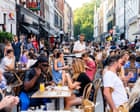
Khan's Plan to Transform Soho's Outdoor Dining Scene
London's Mayor Sadiq Khan is set to enforce outdoor dining permissions in Soho, bypassing local council objections that have historically blocked the expansion of al fresco restaurant operations. The implementation of this initiative marks a significant shift in how the capital approaches urban hospitality spaces, with the outdoor dining concept becoming increasingly integrated into London's entertainment quarters.
Overriding Local Council Opposition
Westminster City Council has declined to participate in the new seasonal pedestrianisation programme being rolled out across London this summer. This absence of local support prompted Khan to leverage his mayoral authority to advance the outdoor dining agenda independently. The seasonal pedestrianisation scheme represents a coordinated effort to reimagine how public streets function during warmer months, allowing businesses to utilise outdoor space more comprehensively.
The tension between municipal governance and mayoral vision has long characterized discussions around outdoor dining in central London's most vibrant districts. Soho, renowned for its restaurants, bars, and cultural venues, stands at the centre of this policy disagreement. Local councillors have previously raised concerns about congestion, noise levels, and public space management—issues that have prevented wider adoption of outdoor seating arrangements in this densely populated neighbourhood.
Implementation Timeline and Scope
Beginning in 2027, restaurants throughout Soho will gain the ability to arrange chairs and tables on pavements during warmer seasons, fundamentally altering the streetscape and dining experience. This timeline allows businesses and authorities adequate preparation for the infrastructure changes required to support expanded outdoor dining operations. The scheme encompasses multiple venues across the entertainment district, potentially transforming how residents and visitors interact with these beloved thoroughfares.
The seasonal nature of the initiative provides flexibility, with outdoor dining arrangements appearing only during optimal weather periods. This approach balances commercial interests with resident concerns about year-round disruptions. Khan's determination to implement this programme despite council resistance demonstrates the mayoral office's commitment to modernising London's hospitality infrastructure and supporting the city's recovery in the post-pandemic era.
Broader Implications for London's Urban Strategy
The outdoor dining expansion reflects wider shifts in urban planning philosophy, where temporary public space allocations increasingly support local economies. Cities worldwide have demonstrated that seasonal pedestrianisation and expanded outdoor dining generate positive economic outcomes for restaurants and retailers while enhancing public realm experiences. Khan's approach positions London competitively among global capitals embracing these transformative strategies.
Beyond Soho, the seasonal pedestrianisation scheme applies across numerous London neighbourhoods, creating a coordinated approach to temporary street closures and public space reallocation. This comprehensive strategy suggests sustained commitment to reimagining London's relationship with outdoor hospitality, moving beyond traditional pavement cafes toward more ambitious territorial reorganisation during summer months.
Stakeholder Perspectives and Ongoing Debates
The disagreement between Khan and Westminster City Council reflects persistent tensions within London's governance structure. Some councillors worry that mayoral override powers could set troubling precedents for municipal decision-making autonomy. Conversely, mayoral supporters argue that visionary urban development sometimes requires transcending local objections when broader metropolitan benefits justify such interventions.
Restaurant operators in Soho have largely welcomed expanded outdoor dining opportunities, recognising potential revenue benefits and enhanced customer experiences. The ability to serve guests in comfortable outdoor settings, particularly during pleasant weather, addresses post-pandemic consumer preferences for open-air hospitality venues. For many businesses, this represents long-overdue acknowledgment of their needs and market realities.
Looking Forward to 2027
The forthcoming implementation of outdoor dining in Soho signals Khan's commitment to delivering tangible improvements to London's hospitality landscape. Though council opposition persists, the mayoral decision suggests inevitable transformation of these iconic streets. Success will depend on effective management of potential complications including crowd flow, noise mitigation, and waste management during peak seasons.
As London continues evolving post-pandemic, initiatives like expanded outdoor dining represent practical responses to changing consumer behaviours and economic necessities. The Soho outdoor dining scheme, beginning in 2027, will demonstrate whether Khan's vision translates into successful urban transformation or requires further refinement of the underlying policies and implementation strategies.