
Japan Conducts Raids Against Major Ice Cream Firms Over Pricing Cartel Probe
Japanese authorities raid leading ice cream manufacturers amid pricing cartel investigation. Actions taken during record-breaking summer heat wave affecting the...
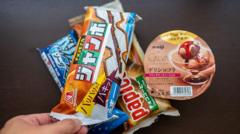
Japan Launches Major Antitrust Operation Against Ice Cream Manufacturers
Japanese regulatory authorities have initiated a comprehensive investigation into suspected Japan ice cream price fixing practices among several prominent manufacturers in the frozen dessert sector. The coordinated enforcement action represents a significant crackdown on alleged anticompetitive conduct within an industry serving millions of consumers nationwide.
Details of the Investigation and Raids
The operation focused on examining potential collusive pricing arrangements among major ice cream producers operating in the Japanese market. Investigators examined business records, internal communications, and pricing data to determine whether companies engaged in coordinated price-setting mechanisms that violated competition laws. Such cartel behavior, if substantiated, would represent a serious breach of Japan's antimonopoly regulations.
The timing of these raids coincides with a critical period for the ice cream industry, as Japan experiences exceptionally elevated temperatures across the nation. This seasonal demand surge makes the investigation particularly significant, as consumers depend on affordable access to cold treats during the sweltering summer months.
Market Impact and Consumer Implications
Ice cream consumption typically increases substantially during Japan's warm weather seasons, and any artificial price elevation would directly affect household purchasing power and consumer welfare. The authorities' swift response to the pricing allegations demonstrates their commitment to maintaining fair market conditions and protecting public interests during periods of heightened demand.
Market analysts suggest the investigation may involve several of Japan's largest ice cream distributors and manufacturers. These companies represent significant market share within the domestic frozen dairy sector, making their conduct particularly important to monitor from a competition perspective.
Broader Antitrust Enforcement Context
This action reflects Japan's ongoing commitment to robust antitrust enforcement in consumer-facing industries. Recent years have witnessed increased regulatory vigilance toward cartel formations and coordinated pricing schemes that harm market efficiency and consumer choice.
The ice cream sector, while seemingly niche, carries important economic implications given its retail distribution network, employment scale, and direct consumer impact. Japanese competition authorities recognize that effective enforcement in this sector signals broader commitment to fair competition across all commercial segments.
Environmental and Seasonal Factors
The investigation unfolds during Japan's most challenging weather conditions, with record summer temperatures placing unprecedented demand on cooling product suppliers, including ice cream manufacturers. This seasonal pressure amplifies the importance of maintaining competitive pricing and preventing artificial cost inflation.
During such periods, consumers face higher marginal utility for ice cream products, potentially making them more vulnerable to inflated pricing. Regulatory action during this timeframe addresses this vulnerability directly and aims to ensure pricing reflects genuine market competition rather than coordinated arrangements.
Next Steps and Investigation Timeline
The raids represent an initial phase of the broader investigation into the alleged ice cream cartel investigation. Authorities will analyze seized materials, conduct witness interviews, and potentially pursue formal charges if evidence substantiates cartel violations. The complete investigation timeline remains undisclosed, though such antitrust matters typically require extensive documentation review and analysis.
Legal experts anticipate the investigation may result in significant penalties for any companies found to have participated in price-fixing arrangements. Japanese competition law provides for substantial fines and potential criminal liability for individuals involved in cartel conspiracy.
Industry Response and Compliance Measures
The enforcement action sends a clear message to the broader food and beverage industry regarding regulatory expectations around pricing transparency and competition. Industry participants have been put on notice that coordinated pricing mechanisms face serious legal consequences and reputational damage.
Companies operating in the Japanese market must ensure their pricing strategies reflect independent competitive analysis rather than any form of coordination with rivals. This investigation reinforces that antitrust violations carry meaningful penalties and that authorities maintain active oversight of consumer-focused industries.


