
Iran Threatens Strait of Hormuz Closure Due to Israel Military Operations Against Lebanon
Iran warns of Strait of Hormuz closure in response to Israeli attacks on Lebanon, citing violations of US nuclear agreement. Latest Middle East tensions escalat...
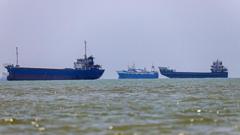
Iran Issues Warning Over Strait of Hormuz Closure
The Iranian government has escalated its rhetoric by warning of a potential Strait of Hormuz closure in direct response to what it characterizes as ongoing Israeli military operations targeting Lebanese territory. Iranian officials argue that these military actions constitute a significant breach of the preliminary agreement brokered between Tehran and Washington aimed at de-escalating regional tensions and achieving a comprehensive settlement to the ongoing conflict.
Context of the Regional Dispute
The Strait of Hormuz closure threat emerges amid heightened geopolitical tensions in the Middle East. Iranian leadership contends that Israel's continued military engagement in Lebanon fundamentally undermines the diplomatic framework that had been established to bring stability to the region. This latest development signals a potential deterioration in the fragile balance that international mediators have been attempting to maintain.
Strategic Importance of the Strait of Hormuz
The Strait of Hormuz represents one of the world's most critical maritime chokepoints, with approximately one-third of global seaborne oil trade passing through its waters daily. A closure of this strategic passage would have profound implications for international energy markets, global commerce, and the broader stability of the international economic system. Iran's explicit mention of this possibility demonstrates the severity with which Tehran views Israel's military activities in Lebanon.
Iran's Diplomatic Position
According to Iranian government statements, the agreement reached with the United States contained specific stipulations designed to prevent escalatory military actions by regional actors. Iran contends that Israel's attacks on Lebanon directly contravene these terms and obligations. The Iranian position emphasizes that while Tehran has demonstrated commitment to the negotiated framework, external parties have not reciprocated with similar restraint.
International Ramifications
The threat of Strait of Hormuz closure has immediate implications for the international community. Global energy markets have expressed concern over the possibility of disrupted oil supplies, while diplomatic channels have intensified efforts to mediate between the involved parties. The United Nations and various regional governments have called for renewed dialogue to prevent further escalation of hostilities.
Historical Context of Regional Conflicts
Iran's relationship with Israel has historically been characterized by tension and competing strategic interests in the Middle East. Lebanon's geographic proximity to Israel and its complex political environment have made it a focal point of regional competition. The current military operations represent a continuation of long-standing disputes over territorial influence and security concerns that span decades.
Impact on Lebanon and Regional Stability
The ongoing attacks have direct consequences for Lebanese civilians and infrastructure. International humanitarian organizations have expressed concern regarding civilian casualties and displacement resulting from the military operations. The Lebanese government faces challenges in managing the humanitarian crisis while navigating complex relationships with neighboring states and international powers.
Economic Consequences of Maritime Disruption
Should Iran follow through on its warning regarding the Strait of Hormuz closure, the economic consequences would extend far beyond the Middle East. European energy markets, Asian economies dependent on oil imports, and American energy security would all face significant disruption. The threat alone has prompted strategic discussions among energy-dependent nations regarding alternative supply routes and emergency reserves.
Diplomatic Efforts and Negotiations
Multiple international actors, including European nations, the United Nations, and regional governments, have expressed commitment to preventing further escalation. Diplomatic missions have been dispatched to both Tehran and other regional capitals to encourage restraint and renewed commitment to existing agreements. The effectiveness of these efforts remains to be determined as tensions continue to mount.
Future Outlook
The situation remains fluid and subject to rapid changes in military and diplomatic developments. Iran's explicit threat regarding the Strait of Hormuz closure represents a significant escalatory step that could have far-reaching consequences for regional and global stability. Observers monitor developments closely as all parties assess their strategic options and the potential costs of further escalation versus diplomatic resolution of outstanding disputes.


