Hypertension Crisis: Over Half of England's Cases Go Undiagnosed
New research reveals 59% of high blood pressure cases in England remain undiagnosed, increasing stroke and heart attack risk. Current GP treatment approach deem...
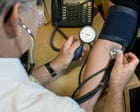
The Hidden Epidemic of Undiagnosed Hypertension in England
A groundbreaking study has uncovered a significant public health concern: undiagnosed hypertension in England affects millions of residents who remain completely unaware of their condition. The research demonstrates that the current approach to managing this silent killer is fundamentally flawed, with alarming gaps in detection and treatment efficacy across the nation.
According to the largest investigation of its kind, approximately 59% of individuals with hypertension lack any awareness of their condition, creating a substantial health crisis that extends beyond those actively seeking medical intervention. This widespread lack of awareness directly correlates with increased vulnerability to life-threatening complications including stroke, myocardial infarction, and premature mortality.
Treatment Gaps Among GP-Managed Patients
Even more concerning is the finding that only 50% of patients already receiving treatment for high blood pressure through general practitioner services have successfully achieved control of their condition. This statistic reveals a dual crisis: not only are millions completely unaware they have hypertension, but those who have been diagnosed and are under medical supervision often fail to achieve therapeutic targets.
Researchers argue that the existing framework for managing high blood pressure is fundamentally unsuitable for addressing the magnitude of this public health challenge. The current system appears inadequate in both identifying undiagnosed cases and optimizing treatment outcomes for those already engaged with healthcare providers.
Health Implications of Uncontrolled Hypertension
The consequences of undiagnosed and uncontrolled hypertension extend far beyond individual patient outcomes. This silent killer operates without obvious symptoms, allowing damage to accumulate in the cardiovascular system while individuals remain unaware. The condition significantly elevates the risk of acute cardiovascular events, chronic kidney disease progression, and cognitive decline.
The vascular damage caused by persistent elevated blood pressure occurs gradually and silently, making early detection and intervention critical preventive measures. When hypertension remains undiagnosed, these pathological changes continue unchecked, substantially increasing lifetime risk of catastrophic health events.
Structural Failures in Current Detection Systems
The research identifies critical weaknesses in how England's healthcare system identifies individuals with elevated blood pressure. Many people never receive routine blood pressure screening, meaning their condition remains entirely undetected. Additionally, those who do receive measurements may experience inconsistent monitoring protocols, reducing the likelihood of proper diagnosis.
General practice systems often lack standardized approaches to blood pressure measurement and follow-up, contributing to missed diagnoses. The gap between those with hypertension and those actually diagnosed with the condition reflects systemic inefficiencies rather than patient non-compliance.
Why Current Treatment Approaches Fall Short
Beyond detection failures, the investigation reveals substantial inadequacies in therapeutic management. Many patients prescribed antihypertensive medications do not achieve target blood pressure levels, suggesting either medication selection issues, dosing problems, or insufficient patient support in medication adherence.
Researchers highlight that the "not fit for purpose" characterization of current approaches reflects the disconnect between existing treatment protocols and actual population health needs. More intensive monitoring, better medication optimization strategies, and improved patient education appear necessary to improve control rates among treated populations.
Broader Public Health Implications
The magnitude of undiagnosed hypertension in England represents a substantial public health burden that could be substantially reduced through systematic improvements. Population-level strategies including enhanced screening programs, refined diagnostic criteria, and optimized treatment algorithms could significantly reduce the burden of cardiovascular disease.
This research underscores the urgent need for comprehensive healthcare system reform addressing both identification and management of this prevalent condition affecting millions across England.