
Geothermal Energy: Abundant Resource Beneath Our Feet
Discover how start-ups are revolutionizing geothermal energy with innovative approaches. Explore the challenges and opportunities of this abundant underground p...
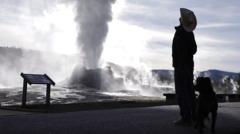
Geothermal Energy: An Abundant But Costly Resource Beneath Our Feet
Geothermal energy represents one of the planet's most substantial yet underutilized power sources. This renewable energy form, accessed by tapping into Earth's natural heat, offers tremendous potential for sustainable electricity generation and heating solutions. However, the economic viability of geothermal energy extraction remains a critical challenge facing the industry today.
Understanding Geothermal Energy Potential
The heat emanating from our planet's interior provides a constant, reliable energy source that operates independently of weather patterns or seasonal variations. Unlike solar or wind power, geothermal energy delivers continuous baseload electricity, making it exceptionally valuable for meeting constant energy demands. Beneath the Earth's crust lies an enormous thermal reservoir that, if properly harnessed, could substantially reduce global dependence on fossil fuels.
The challenge, however, lies not in the abundance of geothermal energy but rather in the accessibility and extraction expenses. Traditional geothermal development requires drilling to extreme depths, often exceeding 3,000 meters, with initial capital investments frequently surpassing hundreds of millions of dollars.
Emerging Start-Up Innovations
A new generation of companies is approaching geothermal energy development with creative technological solutions. These innovative start-ups are exploring enhanced geothermal systems (EGS), which artificially create reservoirs in rock formations where natural permeability doesn't exist. This technological advancement could unlock geothermal resources in regions previously considered unsuitable for development.
Start-ups are also investigating directional drilling techniques, borrowed from the oil and gas industry, to reduce drilling costs and improve operational efficiency. Additionally, closed-loop systems that require minimal water usage represent another frontier in geothermal energy innovation, addressing environmental concerns associated with traditional approaches.
Economic Challenges in Geothermal Development
Despite technological progress, the economics of geothermal energy extraction remain contentious. The initial capital requirements for drilling and infrastructure development present substantial barriers to entry. A single exploratory well can cost $5-10 million, with no guarantee of adequate heat resources being discovered.
Operational expenses, including maintenance and management of geothermal facilities, add additional financial burdens. These costs must be weighed against potential electricity generation revenues, creating uncertainty for investors considering long-term commitments to geothermal projects.
Competitive Advantages of Geothermal Power
Despite high upfront costs, geothermal energy offers significant long-term advantages. Operating costs remain remarkably low once infrastructure is established, with facilities achieving capacity factors of 70-90%, substantially higher than solar or wind installations. This operational efficiency translates to competitive electricity pricing over extended project lifespans.
Furthermore, geothermal facilities require minimal land area compared to alternative renewable sources. A geothermal plant can generate equivalent electricity to a solar installation while utilizing only a fraction of the physical space, making geothermal energy particularly valuable in densely populated regions.
Government Support and Market Dynamics
Regulatory frameworks and government incentives significantly influence geothermal energy development viability. Tax credits, grants, and subsidies from various governments have become essential in making geothermal projects economically feasible. Companies operating in supportive regulatory environments experience improved project economics and faster deployment timelines.
The Future of Geothermal Energy
As technological innovations mature and drilling costs decline, geothermal energy could become increasingly competitive with conventional energy sources. Industry observers anticipate that enhanced geothermal systems will expand developable areas, potentially increasing the global geothermal energy capacity substantially within the coming decades.
The success of emerging start-ups in solving cost and efficiency challenges will largely determine whether geothermal energy achieves significant market penetration. With continued innovation and supportive policies, this abundant underground resource could transition from niche renewable source to mainstream global energy contributor.


