
France Drowning Deaths Surge During Extreme European Heatwave Peak
France experiences surge in drowning deaths as heatwave grips Europe. PM Lecornu reports 40 deaths since last Thursday during extreme heat conditions.
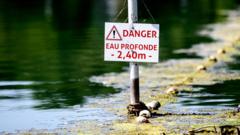
Drowning Deaths in France Escalate Amid Intense Heatwave Conditions
The phenomenon of drowning deaths in France has reached alarming levels as an oppressive heatwave continues to dominate continental Europe. Prime Minister Sébastien Lecornu has confirmed that approximately forty individuals have lost their lives through drowning-related incidents since the previous Thursday, marking a significant spike in aquatic fatalities during the peak temperature period.
Understanding the Scale of the Crisis
The surge in drowning deaths represents a troubling trend that correlates directly with the extreme heat sweeping across the region. When heatwave conditions intensify, populations increasingly seek relief in bodies of water—beaches, lakes, rivers, and public swimming facilities become overwhelmed with visitors attempting to escape the sweltering temperatures. However, this behavioral response often comes without adequate preparation, safety precautions, or awareness of potential hazards lurking in aquatic environments.
Contributing Factors to Rising Fatalities
Several interconnected elements have contributed to the escalation of drowning deaths in France during this heatwave episode. Dehydration and heat exhaustion can impair judgment and physical capability, making individuals more susceptible to accidents in water. Overcrowding at popular swimming locations reduces the effectiveness of lifeguard supervision. Additionally, many victims attempt to enter unfamiliar waters or venture into dangerous areas without proper swimming skills or safety equipment.
The Broader European Context
France is not isolated in experiencing this crisis. The heatwave has engulfed much of Europe, with other nations also reporting elevated incidents of water-related emergencies. The combination of record-breaking temperatures and inadequate public awareness campaigns has created a dangerous situation across the continent. Authorities throughout Europe are grappling with the challenge of protecting citizens while respecting their need to seek relief from oppressive heat conditions.
Temperature Records and Heat Stress
The current heatwave represents one of the most severe thermal events experienced in recent memory. Sustained temperatures have created dangerous conditions not only in aquatic environments but also on land. Heat-related illnesses, including heat stroke and heat exhaustion, have multiplied alongside the drowning incidents, straining healthcare systems and emergency response services across France.
Emergency Response and Safety Measures
French authorities have mobilized emergency responders and intensified lifeguard presence at popular swimming locations. Prime Minister Lecornu's acknowledgment of the crisis demonstrates governmental awareness of the severity of the situation. However, preventive measures require coordination across multiple sectors, including public health agencies, local governments, and community organizations.
Public Health Initiatives
Enhanced public education campaigns have been initiated to promote water safety awareness. These initiatives emphasize swimming in designated areas with lifeguard supervision, avoiding alcohol consumption before water activities, never swimming alone, and recognizing warning signs of heat-related illness. Digital platforms and traditional media channels are being utilized to disseminate critical safety information to the general population.
Long-term Implications for European Public Safety
The alarming statistics regarding drowning deaths in France during this heatwave period underscore the necessity for comprehensive long-term planning. As climate patterns potentially shift toward more frequent and intense heat events, infrastructure improvements, public education, and emergency preparedness protocols must evolve accordingly. Communities must develop resilient approaches to managing public safety during extreme weather phenomena.
Preparation for Future Events
Government bodies are reassessing current safety protocols and considering enhanced training requirements for lifeguards. Investment in surveillance technology, improved access to swimming facilities, and expanded water rescue capabilities are being contemplated. Additionally, coordination with meteorological agencies ensures rapid dissemination of heat warnings that can trigger preemptive public safety measures.
Community Response and Individual Responsibility
Beyond governmental intervention, community members bear responsibility for their own safety and that of companions. Recognizing personal limitations in aquatic environments, respecting posted warnings, and seeking professional swimming instruction represent tangible actions individuals can undertake. Family units should establish clear safety protocols when engaging in water activities, particularly during periods of extreme heat when judgment may be compromised.
The drowning deaths reported across France during this intense heatwave represent a tragedy that underscores the vulnerability of populations when environmental conditions become extreme. Coordinated response mechanisms, public awareness initiatives, and individual vigilance remain essential components of mitigating future occurrences during subsequent heat events.


