
Energy Meter Readings Critical as Household Costs Surge 13%
Households urged to check energy meters regularly as prices climb 13% annually under Ofgem's latest price cap regulations. Essential reading tips inside.
Energy Meter Readings Become Essential as Household Expenses Escalate
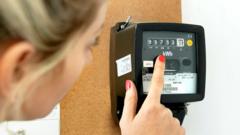
The importance of regular energy meter readings has taken centre stage as households face mounting financial pressures from escalating utility costs. With energy meter readings now critical to managing household budgets, consumers are being advised to prioritize monitoring their consumption patterns more carefully than ever before. The latest regulatory adjustments have intensified focus on the role that accurate energy meter readings play in preventing billing disputes and unexpected charges.
Price Increases Under Ofgem's Latest Framework
Ofgem's most recent price cap implementation has triggered a significant surge in residential energy expenses, with annual increases reaching 13%. This substantial rise represents a notable shift in the financial landscape for millions of households across the nation. The regulator's updated pricing structure reflects broader market conditions and supply chain challenges that have reshaped the energy sector fundamentally.
Understanding the Impact on Monthly Bills
For the average household, a 13% annual increase translates into considerable additional expenditure across heating, electricity, and water services. Families are now compelled to reassess their energy consumption habits and implement cost-saving measures more aggressively. The financial burden extends beyond basic utility payments, affecting household budgeting decisions and long-term financial planning for millions.
Why Regular Meter Monitoring Matters
Energy meter readings serve as the foundation for accurate billing and consumption tracking. When households maintain consistent records of their meter readings, they establish a clear audit trail that protects against overcharging and billing errors. Regular monitoring enables consumers to identify unusual consumption patterns early, potentially indicating equipment malfunction or inefficiency that requires attention.
Benefits of Taking Control
Proactive meter management empowers residents to dispute inaccurate charges confidently. By submitting regular readings directly to energy suppliers, households reduce reliance on estimated bills that frequently overstate actual consumption. This practice proves particularly valuable during periods of price volatility, ensuring that consumers pay only for energy actually consumed rather than supplier estimates.
Practical Steps for Effective Meter Reading
Households should establish a routine schedule for recording energy meter readings, ideally monthly or quarterly. Digital photographs of meter displays provide reliable documentation for future reference and dispute resolution. Most energy suppliers now offer online portals where customers can submit readings directly, streamlining the process and improving accuracy.
Understanding meter displays requires minimal effort. Standard meters show consumption in kilowatt-hours, with digital and analog versions displaying information slightly differently. Clear documentation of previous readings allows households to calculate consumption trends and identify anomalies that warrant investigation.
Regulatory Context and Consumer Rights
Ofgem's price cap exists to protect consumers from excessive charges while allowing suppliers to recover legitimate operating costs. The current 13% increase reflects market conditions rather than arbitrary rate-setting. However, regulatory frameworks also mandate that suppliers base charges on accurate consumption data rather than estimates, making meter readings legally significant.
Consumers possess rights regarding billing accuracy and dispute resolution mechanisms. When households submit regular meter readings, they strengthen their position in any billing disagreements. Ofgem provides guidelines ensuring that suppliers cannot penalize customers for submitting self-readings or challenging estimated bills supported by documented consumption records.
Moving Forward During Rising Costs
As energy expenses continue climbing under Ofgem's framework, household energy prices demand greater attention from consumers seeking to manage budgets effectively. Taking responsibility for accurate energy meter readings represents one accessible strategy that residents can implement immediately without significant investment or lifestyle disruption.
The convergence of rising prices and regulatory changes creates an urgent imperative for household engagement with energy consumption monitoring. By prioritizing regular meter readings, families position themselves to respond effectively to changing market conditions while protecting their financial interests within the current regulatory environment.


