
Does Food Purchase Tracking Improve Health Outcomes?
Discover how monitoring food purchases impacts dietary choices and wellness. Explore the benefits and drawbacks of food tracking apps for healthier living.
Understanding Food Purchase Tracking Technology
Food purchase tracking has become increasingly prevalent in modern wellness strategies, with millions of consumers adopting various monitoring methods to optimize their dietary patterns. The concept of food purchase tracking extends beyond simple calorie counting, encompassing comprehensive analysis of nutritional intake, spending habits, and long-term health outcomes. But does this systematic approach truly deliver the health improvements that enthusiasts claim?
The Rise of Food Tracking Applications
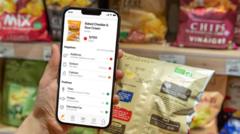
Digital solutions designed for food purchase tracking have revolutionized how individuals approach meal planning and nutrition management. Mobile applications now offer unprecedented convenience, allowing users to log purchases instantly, scan barcodes, and receive real-time nutritional feedback. These food tracking apps provide detailed breakdowns of macronutrients, micronutrients, and caloric content, empowering users to make informed dietary decisions at point of purchase.
The widespread adoption of food tracking apps reflects a broader cultural shift toward data-driven health management. Users can establish personalized dietary goals, monitor progress, and identify problematic eating patterns with remarkable precision. Integration with fitness devices and health platforms enables comprehensive wellness monitoring that extends beyond food purchase tracking alone.
Psychological Benefits of Monitoring Food Purchases
Research indicates that food purchase tracking creates heightened awareness of eating behaviors. When individuals systematically log their food purchases, they develop greater consciousness regarding nutritional choices and portion sizes. This increased mindfulness often leads to spontaneous modifications in purchasing decisions, as users become acutely aware of their consumption patterns through food tracking apps.
The accountability aspect of food purchase tracking cannot be understated. Users who maintain consistent records demonstrate improved adherence to dietary goals compared to those who rely on memory alone. This psychological reinforcement creates positive behavioral loops, encouraging sustained commitment to healthier eating practices.
Potential Drawbacks and Limitations
Despite notable advantages, food purchase tracking presents several challenges. The time investment required for meticulous logging can feel burdensome, particularly for individuals with busy lifestyles. Some users develop obsessive relationships with food tracking apps, potentially fostering unhealthy behavioral patterns or disordered eating habits.
Additionally, the accuracy of food tracking apps depends heavily on database completeness and user input quality. Homemade meals, restaurant dishes with unlisted ingredients, and regional food variations may not appear in app databases, creating gaps in nutritional analysis. Users might overestimate or underestimate portions, compromising the reliability of their food purchase tracking records.
Effectiveness for Weight Management and Disease Prevention
Clinical studies examining food purchase tracking reveal mixed but generally positive outcomes for weight management. Individuals who engage in consistent food tracking apps experience modest weight reduction compared to control groups. However, the effect diminishes over time if food purchase tracking becomes overly complex or unsustainable.
For chronic disease management, including diabetes and hypertension, food purchase tracking demonstrates clearer benefits. Patients monitoring their dietary intake through structured food tracking apps show improved disease markers and better medication response. The intersection of food purchase tracking and medical management creates powerful preventive health outcomes.
Behavioral Change and Long-Term Success
The most significant question regarding food purchase tracking concerns sustainability. Short-term engagement with food tracking apps yields measurable results, but maintaining these practices over months and years proves challenging for many users. Successful long-term food purchase tracking requires integration into daily routines rather than adoption as temporary intervention.
Research suggests that food tracking apps work optimally when combined with professional guidance, community support, or behavioral coaching. Food purchase tracking alone, without complementary strategies, often plateaus in effectiveness. Users experience the greatest success when they transition from passive monitoring to active engagement with their nutritional data.
Expert Perspectives on Food Tracking
Nutritionists and health professionals recognize both the potential and limitations of food purchase tracking. Many advocate for periodic use of food tracking apps rather than indefinite monitoring, suggesting that food purchase tracking serves best as an educational tool. Understanding your eating patterns through food tracking apps can provide valuable insights without necessarily requiring permanent behavioral modification.
Healthcare providers increasingly recommend food purchase tracking as an adjunct to traditional dietary counseling. The objective data generated through food tracking apps facilitates more productive conversations between patients and professionals, enabling personalized nutritional strategies based on actual consumption patterns rather than perceived eating habits.
Conclusion: Is Food Purchase Tracking Worthwhile?
Food purchase tracking represents a valuable tool for individuals genuinely committed to understanding and improving their dietary patterns. The effectiveness of food tracking apps depends substantially on individual motivation, consistency, and integration with broader lifestyle changes. For those seeking weight management, disease prevention, or simple nutritional awareness, food purchase tracking can provide meaningful benefits when approached as a sustainable practice rather than a temporary fix. Ultimately, the question is not whether food tracking apps work universally, but rather whether they align with your personal health goals and lifestyle capacity.


