Corbyn Challenges Leadership Contenders Over Missing Policy Platforms
Corbyn criticizes lack of clear policy in Labour leadership debate, demands Burnham present concrete vision for real change and reform.

Leadership Debate Highlights Policy Vacuum, Says Corbyn
A Labour leadership debate has drawn sharp criticism from former party leader Jeremy Corbyn, who highlighted what he describes as a concerning absence of substantive policy proposals from candidates vying for the top position. The Labour leadership debate has become a focal point for party members seeking clarity on the direction of the organization, yet Corbyn's remarks underscore growing frustration with the lack of concrete commitments from frontrunners.
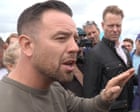
Speaking to reporters following the televised exchange, Corbyn expressed bewilderment at what he characterized as a "strange" omission of detailed policy positions. His intervention into the leadership race has reignited discussions about the party's future trajectory and the expectations placed on candidates to articulate clear visions for governance.
Burnham Must Deliver Substantive Change, Warns Corbyn
Among the candidates facing scrutiny is Andy Burnham, the Greater Manchester mayor whose popularity in regional politics has positioned him as a significant contender. Corbyn has specifically called upon Burnham to move beyond rhetoric and present tangible proposals that represent genuine transformation for the Labour Party and the broader electorate it seeks to represent.
The demand for real change reflects deep concerns within Labour's grassroots membership about whether the party will continue on its current trajectory or embrace alternative approaches to policy-making and governance. Corbyn's intervention suggests that significant factions within the party remain dissatisfied with mainstream positioning and seek more ambitious reform agendas.
Context of Reform UK's Electoral Performance
The leadership debate occurs against a backdrop of shifting electoral dynamics. Reform UK, led by Nigel Farage, has demonstrated notable polling strength, leading in over 300 consecutive national surveys. However, the party's performance in specific electoral contests presents a more complex picture. In the recent Makerfield by-election, Reform candidate Robert Kenyon secured second place, losing to a Labour candidate backed by an exceptionally intensive campaign operation.
Despite the second-place finish, Kenyon managed to increase Reform's vote share compared to the 2024 general election results, suggesting the party maintains momentum in certain constituencies. The energetic Labour campaign in Makerfield involved approximately 3,000 activists mobilizing voters, demonstrating the organizational capacity the party can deploy in competitive races.
Policy Clarity as Central Campaign Issue
Corbyn's criticism of the missing policy framework in the Labour leadership debate addresses what many political observers identify as a crucial vulnerability. Leadership candidates who fail to articulate clear, detailed positions on key issues risk appearing evasive or disconnected from party membership expectations. The former leader's intervention suggests that policy substance should remain central to any credible leadership candidacy within Labour's framework.
The absence of robust policy discussion in high-profile debates may indicate either candidate reluctance to take controversial positions or insufficient debate structure to allow adequate policy exploration. Either scenario presents difficulties for a party attempting to rebuild credibility and public trust following years of internal turbulence.
Labour's Path Forward Under New Leadership
The Labour leadership race carries implications extending beyond internal party dynamics. Public perception of Labour's competence, vision, and capacity for effective governance depends significantly on how current candidates present their plans and engage with substantive policy questions. Corbyn's intervention serves as a reminder that party members retain expectations about ideological consistency and ambitious reform proposals.
As candidates continue campaigning, the pressure will mount to address Corbyn's criticisms by developing and communicating detailed policy positions across multiple areas including economic management, social services, healthcare, and environmental policy. The ability to respond substantively to such critiques may ultimately determine which candidate emerges as the membership's preferred choice for party leader.