
Channel 4 Documentary Sparks Major ADHD Charity Backlash
ADHD charity organization files complaint against Channel 4's controversial documentary. The program raises debates about ADHD diagnosis and treatment approache...
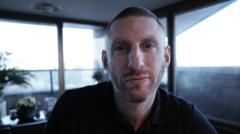
ADHD Charity Files Formal Complaint Against Channel 4 Programme
A prominent ADHD charity has voiced strong objections regarding Channel 4's recent television documentary, marking a significant moment in the ongoing dialogue surrounding attention deficit hyperactivity disorder representation in mainstream media. The ADHD charity complaint has drawn considerable attention from both advocacy groups and broadcasting watchdogs, highlighting tensions between entertainment programming and responsible health communications.
The documentary in question has generated substantial controversy since its initial broadcast. Industry observers and media critics have characterized the programme as exceptionally polarizing, with one major publication describing it as potentially the year's most contentious television offering. This assessment underscores the sensitive nature of ADHD-related content and the expectations various stakeholders maintain regarding accurate portrayal of neurodevelopmental conditions.
The Documentary's Central Claims and Public Response
Channel 4's programme examines prevailing theories and contemporary understanding of ADHD, presenting alternative perspectives on diagnosis and treatment methodologies. The documentary's approach to questioning mainstream ADHD diagnostic practices has prompted the ADHD charity complaint, with advocates arguing that certain claims presented may risk undermining established medical frameworks and public understanding of the condition.
The broadcast has resonated differently across various audience segments. While some viewers found the questioning approach intellectually stimulating, others within the neurodivergent community and professional medical circles have expressed concern about potential misrepresentation of scientific consensus regarding ADHD etiology and therapeutic interventions.
Advocacy Organizations Respond to ADHD Charity Complaint
The ADHD charity complaint represents coordinated efforts by organizations dedicated to neurodevelopmental health to ensure responsible media representation. These groups argue that documentaries addressing complex medical conditions carry particular responsibility to distinguish between established scientific evidence and speculative theories, particularly when broadcasting to general audiences unfamiliar with specialized literature.
Advocacy representatives emphasize that while documentary programming can explore controversial perspectives, framing matters significantly. The presentation of alternative viewpoints without adequate contextualization regarding scientific consensus poses risks of misinforming viewers about diagnostic criteria, treatment effectiveness, and the legitimacy of ADHD as a recognized neurological condition.
Media Regulation and Broadcasting Standards Under Scrutiny
The ADHD charity complaint raises broader questions regarding broadcasting standards and regulatory oversight of health-related content. Regulatory bodies must balance commitments to editorial freedom and diverse viewpoints against responsibilities to safeguard public health information accuracy, particularly regarding conditions affecting millions of viewers.
Industry analysts note that this situation reflects growing tensions in contemporary media between platform-driven content strategies and traditional standards of medical accuracy. As viewers increasingly encounter health information through entertainment-formatted programming, questions intensify about appropriate editorial boundaries and fact-verification protocols.
Impact on Public Understanding of ADHD
The ADHD charity complaint emphasizes potential downstream consequences of controversial framing. When documentaries suggest that established diagnostic frameworks may be fundamentally flawed or commercially motivated, vulnerable populations—particularly parents seeking accurate information about their children's neurodevelopmental health—may experience confusion regarding evidence-based treatment approaches.
Disability advocates and medical professionals supporting the ADHD charity complaint highlight that such programming might inadvertently discourage individuals from pursuing appropriate clinical evaluations and therapeutic interventions, potentially delaying diagnosis and treatment access for those experiencing genuine diagnostic benefit from current medical frameworks.
Channel 4's Position and Broadcasting Future
Channel 4 has maintained that its documentary represents legitimate television journalism exploring contested areas of medical science. The broadcaster argues that examining alternative perspectives on ADHD diagnosis aligns with documentary programming's traditional mandate to investigate established institutions and conventional wisdom.
Moving forward, the ADHD charity complaint may influence how broadcasters approach health-related documentary content, potentially prompting more stringent consultation processes with medical professionals and advocacy organizations during production phases. The situation demonstrates continuing evolution in standards regarding responsible health communication across mass media platforms.


