
BBC Studios Faces Legal Action Over Top Gear Crash Involving Expert Driver
Expert driver Paul Rees sues BBC Studios following Top Gear accident. Learn about the personal injury claim and BBC's response to the incident.
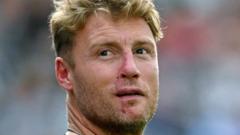
BBC Studios Faces Legal Challenge After Top Gear Accident
BBC Studios Top Gear crash has become the subject of ongoing litigation as expert driver Paul Rees pursues legal action against the broadcasting corporation. The incident, which involved former cricketer Andrew Flintoff during filming operations, has escalated into a formal personal injury claim that the corporation continues to dispute vigorously.
The case represents a significant development in the aftermath of the television production accident, raising important questions about safety protocols during high-risk entertainment programming. Rees, who serves as a professional driver, was present during the incident and has since initiated legal proceedings to seek compensation for injuries sustained during the Top Gear accident.
Details of the Personal Injury Claim
The BBC Studios Top Gear crash incident resulted in injuries that prompted Rees to file a comprehensive personal injury lawsuit. The claim outlines specific damages and medical expenses incurred as a result of the accident. Rees's legal team has presented detailed documentation regarding the extent of his injuries and the circumstances surrounding the occurrence.
BBC Studios has maintained its position of disputing the personal injury claim, suggesting that the corporation contests the liability assertions and compensation demands presented in the lawsuit. The broadcaster's defense strategy focuses on challenging the causal relationship between their operations and the injuries claimed by Rees.
The Top Gear Accident Context
The incident occurred during production activities involving television personality Andrew Flintoff, who was participating in filming for the popular automotive entertainment program. The circumstances of the accident have been central to understanding how such an incident could occur on a professionally managed set.
Safety standards in television production, particularly for programs involving high-speed vehicles and stunt-like activities, have come under renewed scrutiny following this Top Gear accident. The incident highlights potential vulnerabilities in current protocols despite existing regulatory frameworks designed to protect participants and crew members.
BBC's Response and Legal Position
BBC Studios has adopted a defensive stance regarding the BBC Studios Top Gear crash lawsuit. The organization disputes the characterization of events and the attribution of responsibility for the injuries sustained. Their legal representatives have been actively engaged in challenging the validity of the personal injury claim through standard dispute procedures.
The broadcaster's response emphasizes their commitment to safety during production and suggests that various factors beyond their control may have contributed to the accident. This position reflects the complex nature of liability determinations in entertainment industry incidents.
Broader Implications for Television Production
The Top Gear accident and subsequent litigation carry implications extending beyond the immediate parties involved. The case may influence how broadcasting companies approach risk management and safety protocols during the production of automotive and adventure-focused entertainment content.
Industry observers have noted that incidents of this nature prompt comprehensive reviews of existing safety measures. The legal proceedings surrounding this BBC Studios Top Gear crash may establish precedents affecting how similar accidents are handled in future production scenarios.
Expert Driver's Perspective
Paul Rees, as an experienced professional driver, brought considerable expertise to the production. His decision to pursue legal action suggests that the injuries sustained exceeded what might be considered acceptable occupational risk. The claim reflects his assessment that the BBC Studios Top Gear crash resulted from preventable circumstances.
The progression of this case will likely depend on evidence presentation, expert testimony regarding safety standards, and documentation of the injuries and ongoing medical requirements resulting from the incident.
Looking Forward
As the lawsuit continues through legal channels, both parties remain committed to their respective positions. The BBC Studios Top Gear crash case represents an important moment for examining how major broadcasting organizations handle accountability and compensation matters arising from production incidents. The outcome may have lasting consequences for industry practices and safety standards moving forward.


