
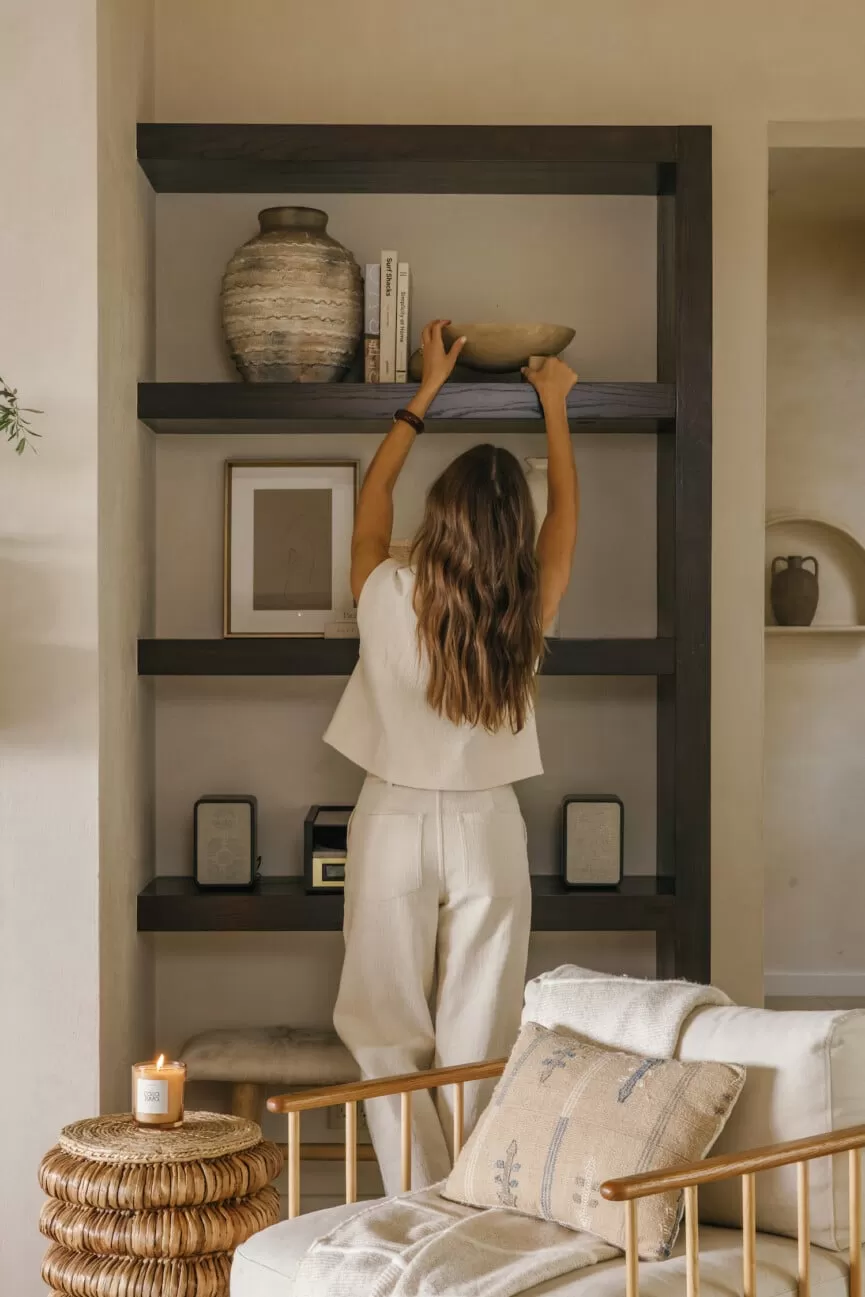
In today’s fast-paced world, it’s becoming increasingly important to find moments of peace and relaxation amidst the chaos. Our homes, in particular, play a crucial role in providing us with a sense of calm and tranquility. However, have you ever noticed that some spaces have a calming effect on us, while others seem to quietly stress us out? As an interior designer, I have come to understand the impact of our surroundings on our mental and emotional well-being. In this article, I will share my personal experience of designing my home to calm my nervous system and how you can do the same.
Firstly, it’s essential to understand that our environment has a significant influence on our mood and overall well-being. Our homes are our safe havens, and it’s crucial to create a space that promotes relaxation and rejuvenation. When I first started designing my home, I focused on creating a space that was aesthetically pleasing. However, I soon realized that the design of a space goes beyond just its appearance. It’s about creating a harmonious balance between functionality and aesthetics.
One of the key elements in designing a calming space is to declutter. Cluttered spaces can be overwhelming and can cause stress and anxiety. I made a conscious effort to declutter my home and only keep items that were essential or brought me joy. This not only made my space look more organized but also had a significant impact on my mental state. I felt a sense of calm and clarity in my mind, which was reflected in my surroundings.
Another crucial aspect of creating a calming space is to incorporate natural elements. Nature has a way of soothing our minds and bodies, and bringing it into our homes can have a profound effect. I added plants and flowers to my home, which not only added a touch of greenery but also improved the air quality. I also made sure to let in natural light as much as possible, as it has a positive impact on our mood and energy levels.
The color scheme of a space also plays a vital role in creating a calming atmosphere. I opted for a neutral color palette with pops of soothing blues and greens. These colors have a calming effect on our minds and can help reduce stress and anxiety. I also incorporated soft textures and fabrics, such as plush rugs and cozy throw pillows, to add a sense of comfort and coziness to my home.
In addition to the physical aspects of a space, it’s essential to consider the functionality of each room. Our homes should be designed to support our daily activities and promote relaxation. For example, I created a designated workspace in my home that was separate from my living area. This helped me to mentally switch off from work and unwind in my living space. I also made sure to have a comfortable and inviting seating area in my bedroom, where I could relax and read a book before going to sleep.
Lastly, I incorporated elements of mindfulness and self-care into my home design. I created a meditation corner in my living room, where I could practice mindfulness and take a few moments to relax and recharge. I also added a few scented candles and essential oils to create a calming and soothing atmosphere. These small touches have made a significant difference in my overall well-being and have helped me to create a home that truly supports my mental and emotional health.
In conclusion, our homes have a significant impact on our mental and emotional well-being. By incorporating elements of decluttering, nature, color, functionality, and mindfulness, we can create a space that promotes relaxation and calmness. As we spend more time at home, it’s essential to design our spaces in a way that supports our mental and emotional health. I hope my personal experience and tips will inspire you to create a calming and rejuvenating space in your own home. Remember, a peaceful home leads to a peaceful mind.
