
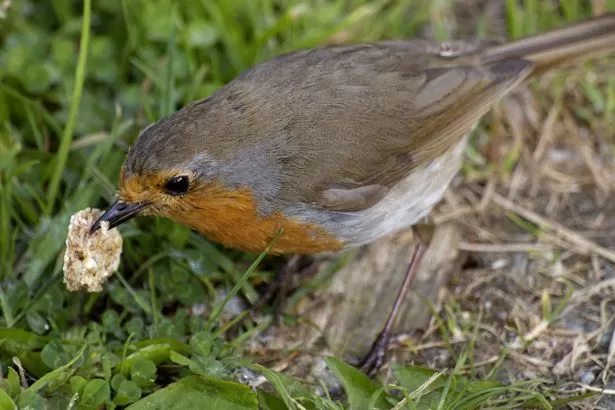
Wildlife experts are urging UK households to refrain from feeding robins a popular food item that could be harmful to the beloved birds. The warning comes after a recent study revealed that feeding robins mealworms could have detrimental effects on their health.
Robins are a common sight in the UK, with their bright red breast and cheerful chirps. They are a favorite among bird watchers and are often seen in gardens, parks, and woodlands. Many people enjoy feeding these friendly birds, believing that they are helping them survive the harsh winter months. However, the latest research suggests that one particular food item may be doing more harm than good.
Mealworms, a popular food for robins, are the larvae of the darkling beetle. They are high in protein and fat, making them an attractive and nutritious food source for birds. However, the study conducted by the University of Exeter found that mealworms contain high levels of a chemical called retinol, which can be toxic to robins in large quantities.
Retinol is a form of vitamin A, which is essential for the growth and development of birds. However, too much of it can cause a condition called hypervitaminosis A, which can lead to bone deformities, organ damage, and even death in birds. The study found that robins fed a diet of only mealworms had significantly higher levels of retinol in their blood compared to those fed a more varied diet.
Dr. Kate Plummer, lead author of the study, explains, “Robins are naturally insectivorous birds, and their diet should consist of a variety of insects, not just mealworms. When they are fed a diet high in mealworms, they are consuming excessive amounts of retinol, which can have serious consequences for their health.”
The study also found that robins fed a diet of only mealworms were less likely to forage for other food sources, leading to a lack of variety in their diet. This can result in nutrient deficiencies, further compromising their health.
The findings of this study have raised concerns among wildlife experts, who are now urging UK households to reconsider feeding robins mealworms. Instead, they recommend providing a more balanced diet, including a variety of insects, seeds, and fruits. This will not only ensure the birds are getting all the necessary nutrients but also encourage them to forage for food, which is a natural behavior for robins.
Dr. Plummer adds, “We understand that people want to help robins, especially during the colder months when food is scarce. However, it’s important to remember that feeding them mealworms in excess can do more harm than good. By providing a varied diet, we can ensure that these beautiful birds stay healthy and thrive in our gardens.”
The warning has been welcomed by bird conservation groups, who have also raised concerns about the impact of mealworms on other bird species. They urge people to be mindful of the food they offer to birds and to do their research before feeding them.
In addition to the potential harm to birds, the excessive use of mealworms can also have environmental consequences. The production of mealworms for bird food requires large amounts of resources, including water and energy. The demand for mealworms has increased in recent years, leading to concerns about sustainability.
As responsible citizens, it is our duty to protect and preserve our wildlife. While feeding birds can be a rewarding and enjoyable activity, it is crucial to do it in a responsible and sustainable manner. So next time you see a robin in your garden, resist the temptation to offer them mealworms and instead provide a varied and balanced diet. By doing so, we can ensure the well-being of these beautiful birds and contribute to a healthier environment.
