
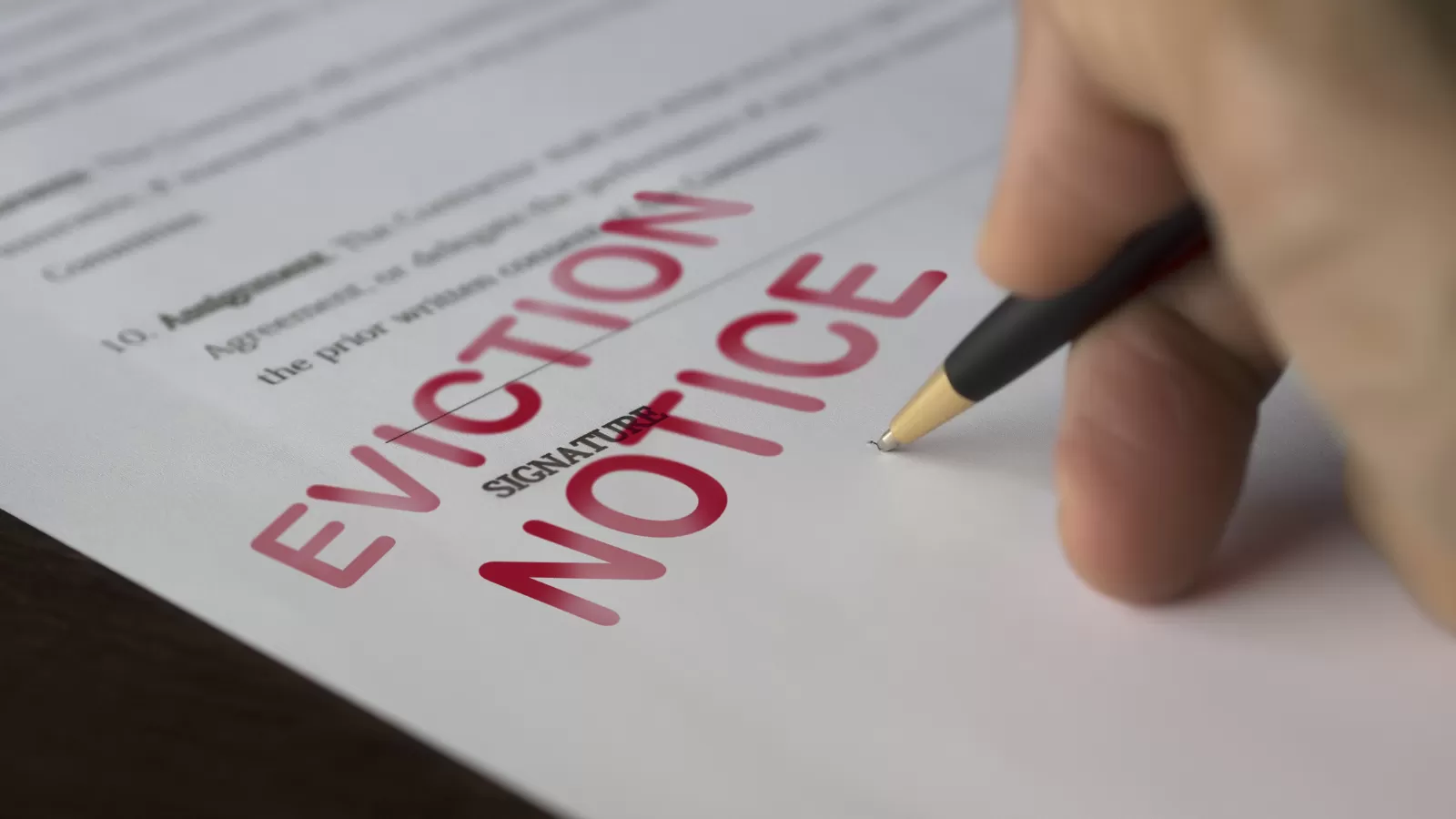
New data has shed light on a concerning issue plaguing the court system in our country. Recent findings have revealed a significant inconsistency in court delays across the nation, placing immense pressure on landlords. This is a pressing issue that demands immediate attention and action.
The data, collected from various courts and legal experts, highlights a stark contrast in the time it takes for landlords to receive justice in different parts of the country. While some courts are able to resolve landlord-tenant disputes within a reasonable timeframe, others are plagued with delays that can stretch for months and even years.
This inconsistency is not only a cause for concern for landlords, but also for tenants who are caught in the middle of these disputes. The prolonged wait for a resolution can have severe consequences for both parties, leading to financial strain and emotional distress.
One of the major factors contributing to these delays is the backlog of cases in the court system. With a limited number of judges and court staff, the workload can become overwhelming, causing delays in the processing of cases. This backlog is further exacerbated by the increasing number of landlord-tenant disputes, which have become more prevalent in recent years.
Another contributing factor is the lack of proper training and resources for court staff and judges. Without the necessary tools and knowledge, it becomes difficult for them to efficiently handle these cases and ensure timely resolutions.
The consequences of these delays are far-reaching. Landlords, who rely on rental income to support themselves and their families, are left in a state of limbo as they wait for a resolution to their disputes. This can have a ripple effect on their financial stability and overall well-being.
Moreover, the uncertainty and stress caused by these delays can also have a negative impact on the mental health of landlords. The constant worry and anxiety of not knowing when their case will be resolved can take a toll on their mental and emotional well-being.
On the other hand, tenants who are involved in these disputes also suffer. They may be facing eviction or other legal consequences, and the prolonged wait for a resolution can add to their financial strain and emotional turmoil.
It is evident that the current state of court delays is not sustainable and urgent measures need to be taken to address this issue. The government must prioritize the allocation of resources and funding to the court system to ensure that it has the necessary manpower and tools to handle the increasing workload.
Moreover, there needs to be a concerted effort to streamline the legal processes and procedures to expedite the resolution of landlord-tenant disputes. This could include implementing alternative dispute resolution methods such as mediation, which can help parties reach a mutually beneficial agreement in a timely manner.
Additionally, there needs to be a focus on training and educating court staff and judges to equip them with the skills and knowledge needed to handle these cases efficiently. This will not only help reduce the backlog of cases but also ensure that landlords and tenants receive a fair and just resolution to their disputes.
It is also crucial for landlords and tenants to be aware of their rights and responsibilities to prevent disputes from arising in the first place. This can be achieved through education and awareness campaigns, which can help promote a better understanding of the laws and regulations governing landlord-tenant relationships.
In conclusion, the new data highlighting the significant inconsistency in court delays across the country is a cause for concern and requires immediate action. It is imperative that the government, legal experts, and all stakeholders work together to address this issue and ensure that landlords and tenants receive timely and fair resolutions to their disputes. Only then can we create a more efficient and just legal system for all.
