
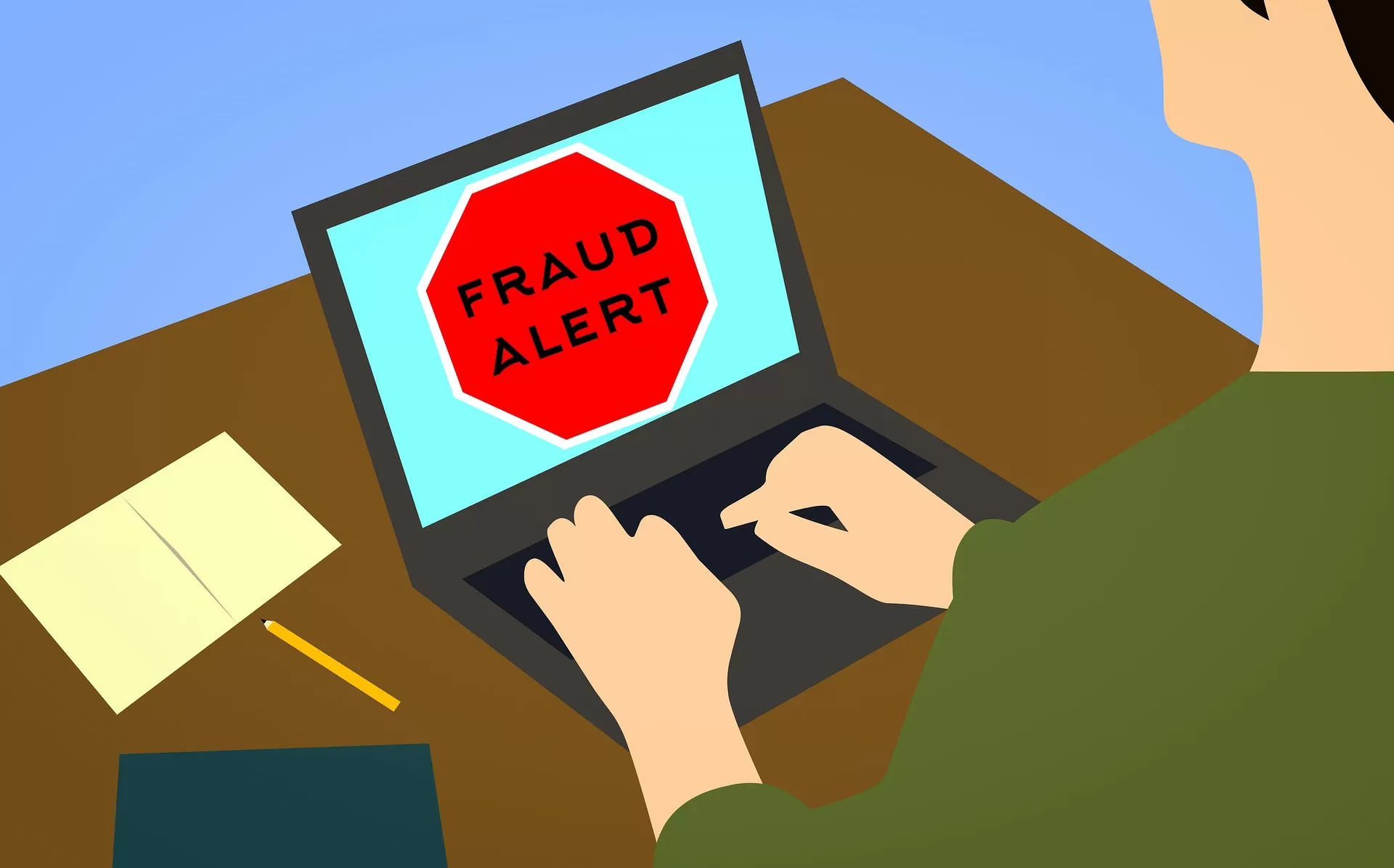
Cyberattacks continue to pose a serious risk, particularly for smaller businesses. In today’s digital age, where technology is an integral part of our daily lives, the threat of cyberattacks is ever-present. These attacks not only target large corporations and government agencies, but also small businesses that may not have the resources to protect themselves adequately. As a result, it is crucial for small businesses to be aware of this risk and take necessary measures to safeguard their data and operations.
The rise of cyberattacks has been a cause for concern for businesses of all sizes. According to a report by the National Cyber Security Alliance, 43% of cyberattacks target small businesses. This is because smaller businesses often have weaker security measures in place, making them an easy target for hackers. Moreover, these attacks can have devastating consequences for small businesses, including financial losses, damage to reputation, and even closure.
One of the main reasons why smaller businesses are more vulnerable to cyberattacks is the misconception that they are not a lucrative target for hackers. However, this is far from the truth. In fact, small businesses are often seen as an easy entry point to larger corporations. Hackers can gain access to sensitive information through smaller businesses and use it to launch attacks on bigger targets. This makes it essential for small businesses to strengthen their cybersecurity measures to protect not only themselves but also their customers and partners.
Another factor that makes small businesses susceptible to cyberattacks is the lack of resources and expertise. Unlike larger corporations, small businesses may not have a dedicated IT team or the budget to invest in sophisticated security systems. This makes it challenging for them to keep up with the constantly evolving tactics of cybercriminals. As a result, they become an easy target for attacks such as phishing, ransomware, and malware.
The consequences of a cyberattack can be devastating for small businesses. Apart from financial losses, a data breach can also lead to a loss of trust among customers and partners. Small businesses often rely on word-of-mouth and positive reviews to attract and retain customers. A cyberattack can damage their reputation and lead to a loss of business. Moreover, small businesses may not have the resources to recover from such an attack, leading to closure.
So, what can small businesses do to protect themselves from cyberattacks? The first step is to understand the risks and take them seriously. Small business owners must educate themselves and their employees about cybersecurity best practices. This includes using strong and unique passwords, regularly updating software and systems, and being cautious of suspicious emails and links.
Investing in cybersecurity measures is also crucial for small businesses. This may include installing firewalls, antivirus software, and intrusion detection systems. While these may seem like additional expenses, they are necessary to protect the business from potential cyber threats. Small businesses can also consider outsourcing their IT needs to a reputable and experienced cybersecurity firm. This can provide them with the expertise and resources they need to stay protected.
Another important aspect of cybersecurity for small businesses is data backup and recovery. In the event of a cyberattack, having a backup of important data can help businesses recover quickly and minimize the impact of the attack. This can be done through cloud storage or external hard drives. It is also essential to have a plan in place for responding to a cyberattack. This includes having a designated team to handle the situation and communicating with customers and partners about the breach.
In conclusion, cyberattacks continue to pose a serious risk for small businesses. The consequences of a data breach can be devastating, and it is crucial for small businesses to take necessary measures to protect themselves. By understanding the risks, investing in cybersecurity measures, and having a plan in place, small businesses can safeguard their data and operations from potential cyber threats. It is time for small businesses to prioritize cybersecurity and stay one step ahead of cybercriminals. After all, prevention is always better than cure.
