
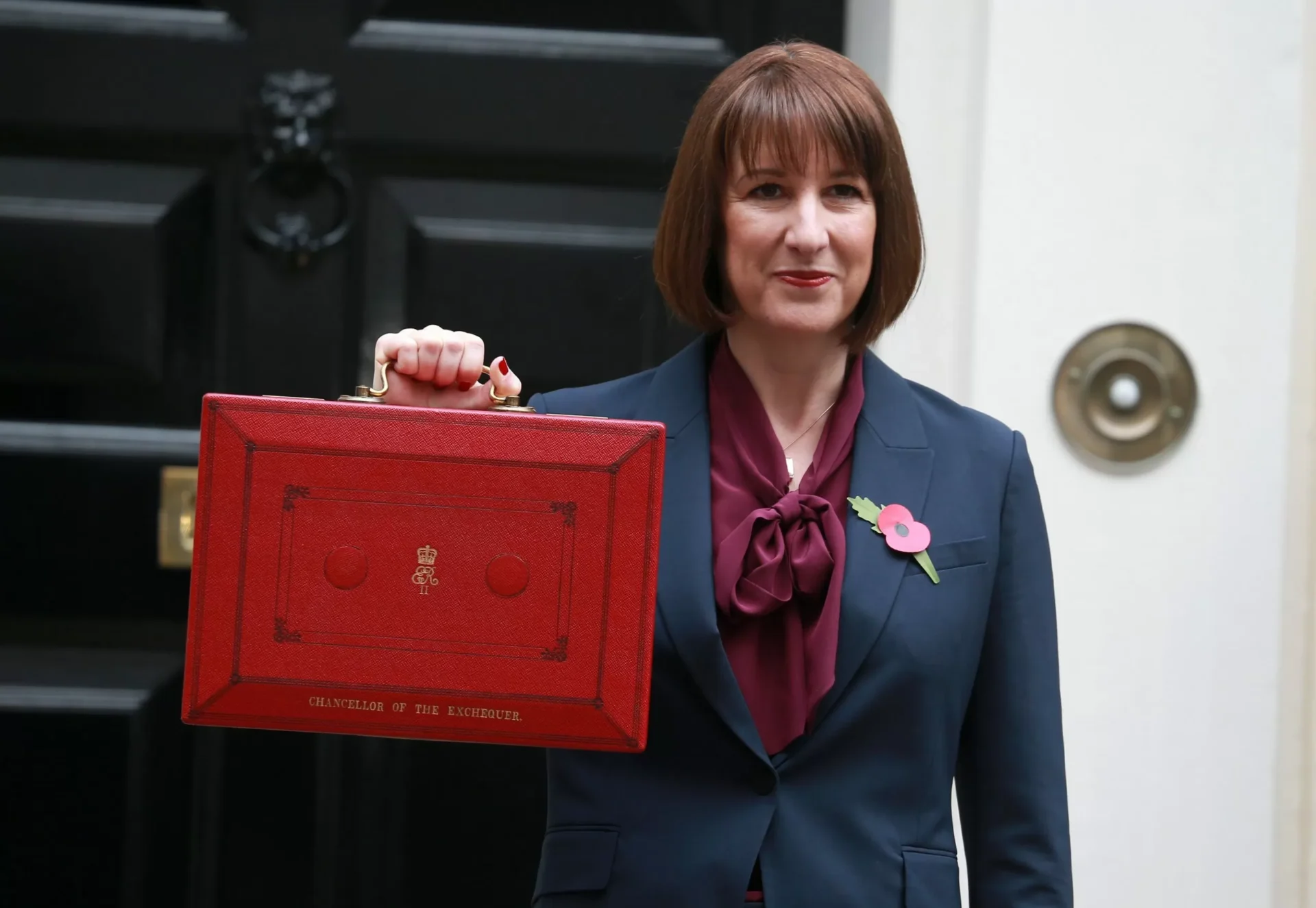
Chancellor Rachel Reeves is reportedly considering a mansion tax in next month’s Budget, in a move that could potentially raise billions of pounds for the government. This proposal has sparked a lot of debate and speculation among the public, with some welcoming the idea and others expressing concerns.
The concept of a mansion tax is not new, as it has been proposed by previous governments but has never been implemented. However, with the current economic climate and the need for additional revenue, it seems that Chancellor Reeves is seriously considering this option.
So, what exactly is a mansion tax? It is a tax on high-value properties, specifically those with a value of over £2 million. The idea behind this tax is to target the wealthiest individuals who own these luxurious properties and use the revenue generated to fund public services and infrastructure projects.
One of the main arguments in favor of a mansion tax is that it would help to address the issue of wealth inequality in the UK. The gap between the rich and the poor has been widening in recent years, and a mansion tax could be a step towards creating a fairer society. It would also be a progressive tax, meaning that those who can afford to pay more would contribute more, while those with lower incomes would be exempt.
Moreover, a mansion tax could potentially raise billions of pounds for the government, which could be used to fund vital public services such as healthcare, education, and social care. This would alleviate the burden on the middle and lower-income families who are currently bearing the brunt of the economic crisis.
Another benefit of a mansion tax is that it would discourage the practice of buying properties as investments and leaving them empty. In cities like London, where the property market is highly inflated, many wealthy individuals purchase properties as a means of investment, driving up prices and leaving these properties unoccupied. A mansion tax would make it less attractive to own multiple properties and encourage the use of these properties for residential purposes.
However, there are also concerns about the potential impact of a mansion tax. Some argue that it could lead to a decrease in property values, which would have a knock-on effect on the housing market. This could be particularly damaging for those who have invested their life savings in their homes and could potentially leave them in a precarious financial situation.
There are also concerns that a mansion tax could be unfair to those who have worked hard to afford their luxurious properties. Many argue that they have already paid significant amounts of stamp duty and council tax, and a mansion tax would be an additional burden on them.
Despite these concerns, it is important to note that the proposed mansion tax would only affect a small percentage of the population. According to estimates, only 0.5% of properties in the UK are valued at over £2 million. This means that the majority of homeowners would not be affected by this tax.
Furthermore, the government has stated that there would be measures in place to protect those who may struggle to pay the tax. For example, there could be exemptions for those who are retired or have low incomes, as well as the option to defer payment until the property is sold.
In conclusion, the idea of a mansion tax is a bold and progressive move by Chancellor Rachel Reeves. It has the potential to generate much-needed revenue for the government and address the issue of wealth inequality in the UK. While there are valid concerns about its impact, it is important to consider the potential benefits and the fact that it would only affect a small percentage of the population. As we await the Budget announcement next month, it will be interesting to see if this proposal becomes a reality and how it will be implemented.
