
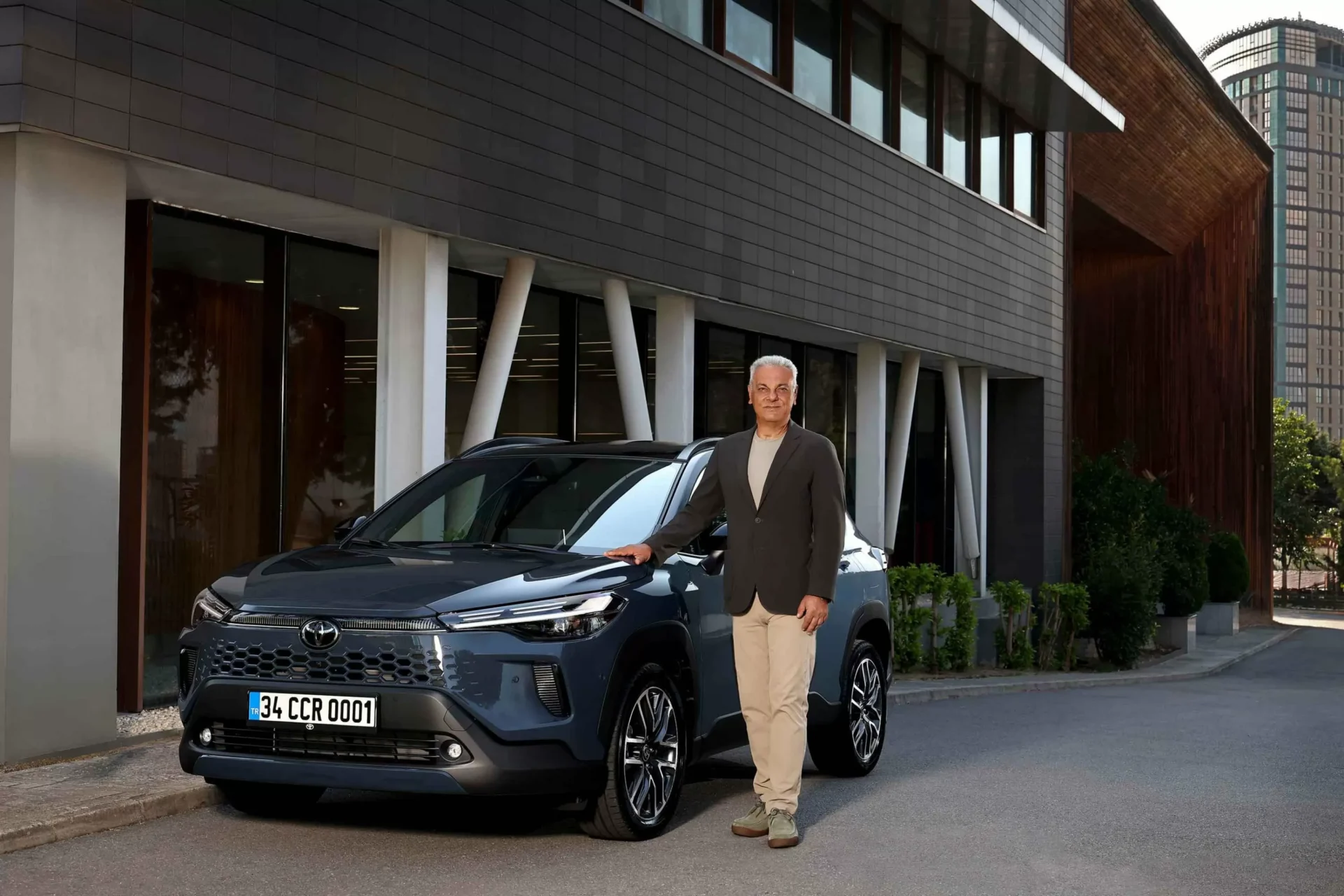
The Turkish automotive market has been steadily growing in recent years, and it shows no signs of slowing down. In fact, according to Ali Haydar Bozkurt, CEO of Turkey’s Automotive Distributors Association (ODD), the market is expected to achieve sales in a range of 1.25 million to 1.3 million units this year if the current momentum persists. This is great news not only for the automotive industry, but also for the overall economy of Turkey.
The automotive market is a vital sector of the Turkish economy, contributing significantly to the country’s GDP and employing a large portion of the workforce. Therefore, the positive outlook for the market is not only beneficial for the automotive sector, but also for the Turkish economy as a whole.
One of the main factors contributing to the expected growth of the Turkish automotive market is the country’s stable political and economic climate. Turkey has been able to maintain political stability and sustain economic growth, which has created a favorable environment for businesses to thrive. This in turn has resulted in increased consumer confidence and spending, including in the automotive sector.
Turkey’s strategic location is another advantage for its automotive market. The country serves as a hub between Europe and Asia, making it a prime location for automotive manufacturers and distributors. This has led to a significant increase in the production and export of vehicles from Turkey. In fact, Turkey is currently the 16th largest automotive producer in the world and the 6th largest in Europe.
Additionally, the Turkish government has implemented policies to support the growth of the automotive industry. This includes incentives for investments in research and development, as well as tax exemptions for foreign investors. These measures have attracted major automotive companies to invest in Turkey, further boosting the market’s growth.
Another driving force behind the expected sales increase in the Turkish automotive market is the continuous improvement in vehicle technology. Consumers are increasingly looking for advanced features and eco-friendly options in their vehicles, and the Turkish automotive industry has been keeping up with these demands. With major players in the market continuously introducing new models and upgrading existing ones, consumers have a variety of options to choose from.
Moreover, the ongoing digital transformation in the automotive industry has also contributed to the market’s growth. Consumers are now more tech-savvy and are looking for seamless integration of technology in their vehicles. This has led to the rise of connected cars and the demand for smart features such as GPS navigation, parking assistance, and hands-free communication. The Turkish automotive market has been quick to adapt to these changes, and it is expected to continue doing so in the future.
In addition to these factors, the rise of the middle class in Turkey has also had a significant impact on the automotive market’s growth. With a higher purchasing power, more people are now able to afford cars, leading to an increase in demand. This trend is expected to continue as the middle class in Turkey continues to grow.
Ali Haydar Bozkurt’s statement about the expected sales in the Turkish automotive market is a reflection of the positive sentiment and high expectations for the industry. The current momentum, coupled with the various factors contributing to the market’s growth, suggests that the Turkish automotive market is in a strong position to continue its upward trend.
In conclusion, the Turkish automotive market is poised for significant growth in the coming years. With a stable political and economic climate, strategic location, government support, technological advancements, and a growing middle class, the market is expected to achieve sales in the range of 1.25 million to 1.3 million units this year. This is not only a testament to the strength of the automotive industry in Turkey, but also a promising sign for the country’s overall economic growth.
