
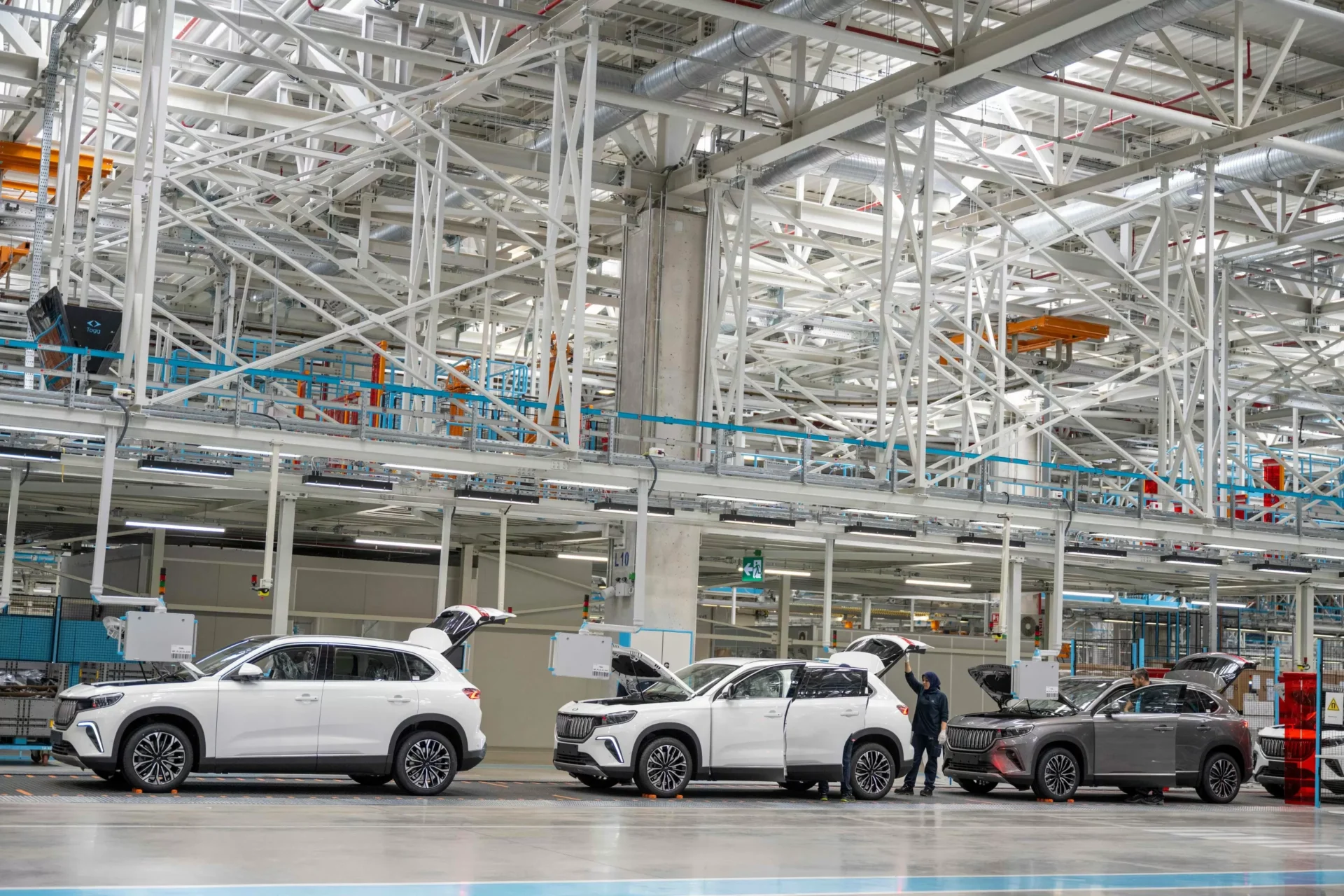
Türkiye’s automotive industry has once again shown its resilience and strength as sales of passenger cars and light commercial vehicles rose by almost 15% in July. The latest industry data, released on Monday, revealed that the demand for vehicles in the country is still going strong, despite the challenges brought about by the ongoing pandemic.
This significant increase in sales can be attributed to the long-anticipated special consumption tax (SCT) reduction, which has been a major driving force for consumers to make their purchases. The SCT reduction, which was announced by the government in June, has been a much-awaited move by the industry and has been welcomed by both car manufacturers and buyers alike.
According to the data, a total of 92,000 passenger cars and light commercial vehicles were sold in July, compared to 80,000 in the same period last year. This marks a 14.9% increase, which is a clear indication of the strong demand for vehicles in Türkiye. The automotive industry, which is a key contributor to the country’s economy, has once again proven its importance and resilience in these challenging times.
The SCT reduction has been a game-changer for the industry, as it has made vehicles more affordable for consumers. This has also resulted in a boost in consumer confidence, as people are now more willing to make big purchases, such as buying a car. The reduction in SCT has also encouraged buyers to opt for higher-end models, which has further contributed to the increase in sales.
The data also showed that the top-selling brands in July were Renault, followed by Fiat and Volkswagen. These brands have been dominating the market for quite some time now and have continued to maintain their positions with their reliable and high-quality vehicles. Other popular brands such as Ford, Hyundai, and Toyota also saw a significant increase in sales, further solidifying the strong demand for vehicles in Türkiye.
The rise in sales is not only limited to passenger cars but also includes light commercial vehicles, which saw a 17.4% increase in sales compared to the same period last year. This is a positive sign for the country’s economy, as the demand for commercial vehicles is a reflection of the growth and activity in various industries.
The automotive industry has always been a vital sector for Türkiye’s economy, contributing significantly to its GDP and providing employment opportunities for thousands of people. The increase in sales is not only beneficial for the industry but also for the country’s overall economic growth. It is also a positive sign for the future of the industry, as it shows that the demand for vehicles in Türkiye is still going strong, despite the challenges posed by the pandemic.
The government’s efforts to support the industry, such as the SCT reduction, have played a crucial role in boosting sales and providing relief to car manufacturers who have been struggling due to the pandemic. This move has not only benefited the industry but also the consumers, who can now purchase their desired vehicles at more affordable prices.
In conclusion, the rise in sales of passenger cars and light commercial vehicles in Türkiye is a clear indication of the strong demand for vehicles in the country. The industry has once again shown its resilience and importance, and with the government’s support, it is expected to continue its growth in the coming months. This positive trend is not only beneficial for the automotive sector but also for the overall economy of Türkiye.
