
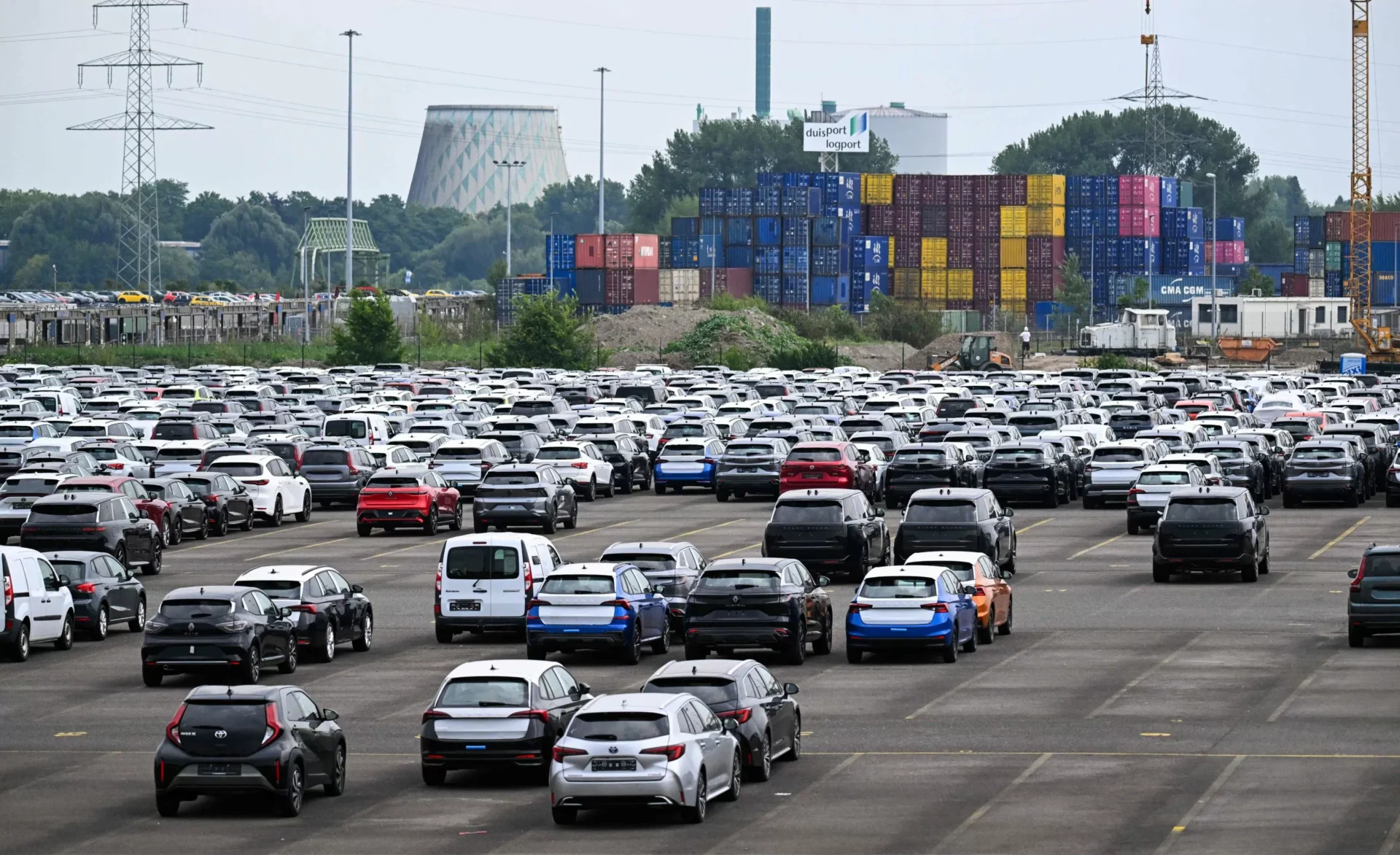
European carmakers were celebrating a historic deal that was recently struck between the European Union (EU) and the United States (U.S.), bringing a sense of relief and de-escalation to the ongoing trade tensions between the two economic giants. This agreement was seen as a win-win situation for both parties, as it promised to eliminate tariffs on industrial goods and increase trade in various sectors. However, while the air of optimism was palpable, there were still concerns among European carmakers about potential damages that could occur as a result of this deal.
The trade deal, which was announced at the end of August, was hailed as a major step towards easing the trade tensions that have been brewing between the EU and the U.S. for the past few years. It was a long-awaited breakthrough after months of negotiations and threats of escalating tariffs. Under this agreement, both sides have agreed to reduce tariffs on industrial goods, excluding the sensitive agricultural sector, and to work towards a more comprehensive trade deal in the future.
For European carmakers, this deal was particularly significant as it promised to eliminate tariffs on cars and car parts, which would save them billions of dollars in tariffs that they were paying to the U.S. every year. This trade deal was viewed as a de-escalation by many industry insiders, as it provided some much-needed relief from the mounting trade tensions between the EU and the U.S. While carmakers were cautiously optimistic about the deal, there were still concerns about the potential damages that could occur.
According to some industry experts, the damages could reach billions for European carmakers, despite the trade deal. This is because the U.S. has already imposed tariffs on steel and aluminum imports from the EU, which has significantly increased the cost of production for European carmakers. These tariffs were imposed last year, under the guise of national security, and have already caused significant damage to the European auto industry. Even with the elimination of tariffs on cars and car parts, the damage has been done, and it will take time for the industry to recover.
Furthermore, the trade deal has not addressed other pressing issues that have been plaguing the European auto industry, such as the threat of additional tariffs on cars and car parts, as well as the uncertainty surrounding the U.S.’s stance on the Paris climate agreement. The U.S. has been threatening to impose tariffs on European cars since last year, which has caused a lot of uncertainty and instability for the European auto industry. This, coupled with the U.S.’s withdrawal from the Paris climate agreement, has raised concerns among European carmakers about the future of their industry.
Despite these challenges, European carmakers are still viewing the trade deal as a positive step towards de-escalation and are hopeful that it will lead to a more comprehensive trade agreement in the future. The elimination of tariffs on cars and car parts will provide some much-needed relief for the industry, and it is a step in the right direction towards a more open and fair trade relationship between the EU and the U.S.
In addition, the trade deal also promises to increase trade in other sectors, such as pharmaceuticals, medical devices, and chemicals, which could open up new opportunities for European carmakers. By reducing barriers to trade in these sectors, the EU and the U.S. are creating a more level playing field for businesses and encouraging economic growth and job creation.
Moreover, the trade deal also includes a clause for both parties to review and potentially revise the agreement in four years, which means that any concerns or issues that arise in the future can be addressed and resolved. This provides some reassurance for European carmakers who were worried about potential damages and uncertainties in the long term.
In conclusion, the trade deal between the EU and the U.S. has been viewed as a de-escalation and a positive step towards a more open and fair trade relationship between the two economic giants. While European carmakers are still bracing for damages, the elimination of tariffs on cars and car parts and the promise of increased trade in other sectors have provided some much-needed relief. It is a significant step towards reducing trade tensions and fostering a stronger partnership between the EU and the U.S. in the future.
