
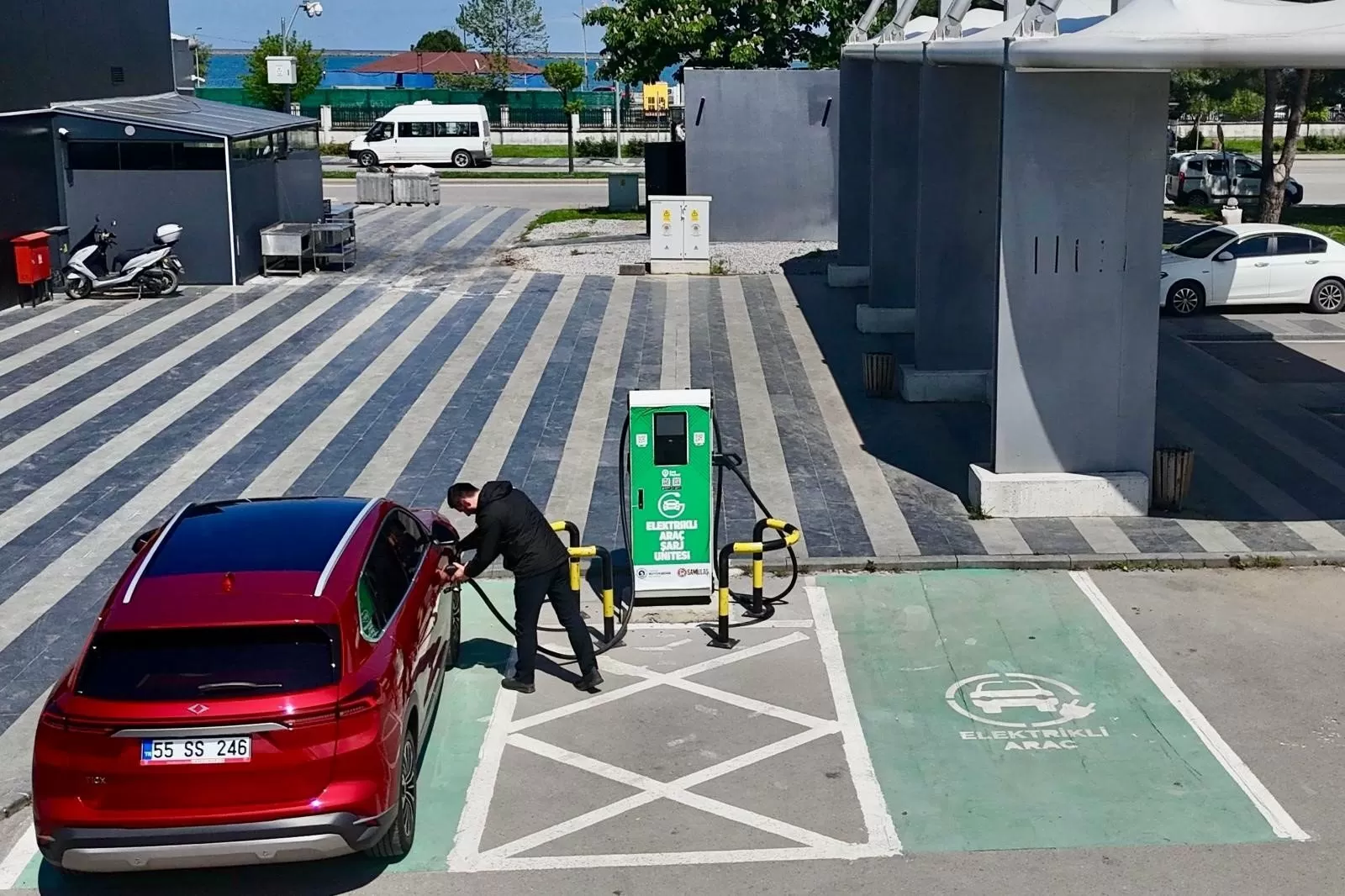
Parallel to the increase in electric vehicles (EVs) in Turkey, the number of charging stations in the country is approaching 12,000, with these stations concentrated in major cities. This is a significant development in the country’s efforts towards promoting sustainable transportation and reducing carbon emissions. With the government’s support and private sector investments, Turkey is well on its way to becoming a leader in the adoption of electric vehicles.
The rise of electric vehicles in Turkey can be attributed to several factors. Firstly, the government has implemented various incentives and policies to encourage the use of electric vehicles. These include tax exemptions, subsidies for EV purchases, and free parking and tolls for EVs. These measures have made electric vehicles more affordable and attractive to consumers.
Secondly, the increasing awareness and concern for the environment have also played a significant role in the rise of EVs in Turkey. With the growing threat of climate change, more and more people are looking for ways to reduce their carbon footprint. Electric vehicles, with their zero-emission feature, are seen as a viable solution to combat air pollution and reduce greenhouse gas emissions.
Moreover, the advancements in technology have made electric vehicles more practical and convenient for everyday use. The range of EVs has significantly improved, and with the availability of charging stations, range anxiety is no longer a major concern for consumers. Additionally, the cost of owning and maintaining an electric vehicle is lower than that of a traditional gasoline or diesel car, making it a more economical choice in the long run.
As the number of electric vehicles on the roads of Turkey continues to increase, the need for a robust charging infrastructure becomes crucial. This is where the country’s progress in setting up charging stations comes into play. Currently, there are around 12,000 charging stations in Turkey, with the majority located in major cities such as Istanbul, Ankara, and Izmir. This number is expected to grow even further in the coming years, with the government’s target of reaching 30,000 charging stations by 2023.
The concentration of charging stations in major cities is a strategic move, as these areas have a higher demand for electric vehicles. It also makes it easier for EV owners to access charging facilities, especially for those who do not have access to private charging at home. The charging stations are equipped with different types of chargers, including fast chargers, which can charge an EV up to 80% in just 30 minutes. This makes it convenient for EV owners to charge their vehicles while running errands or during their daily commute.
The increase in the number of charging stations also presents a significant opportunity for businesses. Many companies have started investing in charging infrastructure, seeing it as a potential source of revenue. This has led to the development of innovative solutions such as mobile charging stations and charging stations integrated into streetlights. These initiatives not only provide more options for EV owners but also contribute to the overall growth of the electric vehicle market in Turkey.
Furthermore, the government’s efforts to promote electric vehicles and the establishment of charging stations have also created job opportunities in the country. The installation, maintenance, and operation of charging stations require a skilled workforce, providing employment opportunities for many. This is a positive development for the economy, especially in the current global climate where job creation is crucial.
In conclusion, the increase in electric vehicles in Turkey and the establishment of a robust charging infrastructure is a significant step towards a greener and more sustainable future. The government’s support, private sector investments, and the growing awareness of the benefits of electric vehicles have all contributed to this progress. With the continued efforts and collaborations, Turkey is well on its way to becoming a leader in the adoption of electric vehicles, setting an example for other countries to follow. Let us all join hands in this journey towards a cleaner and healthier environment.
