
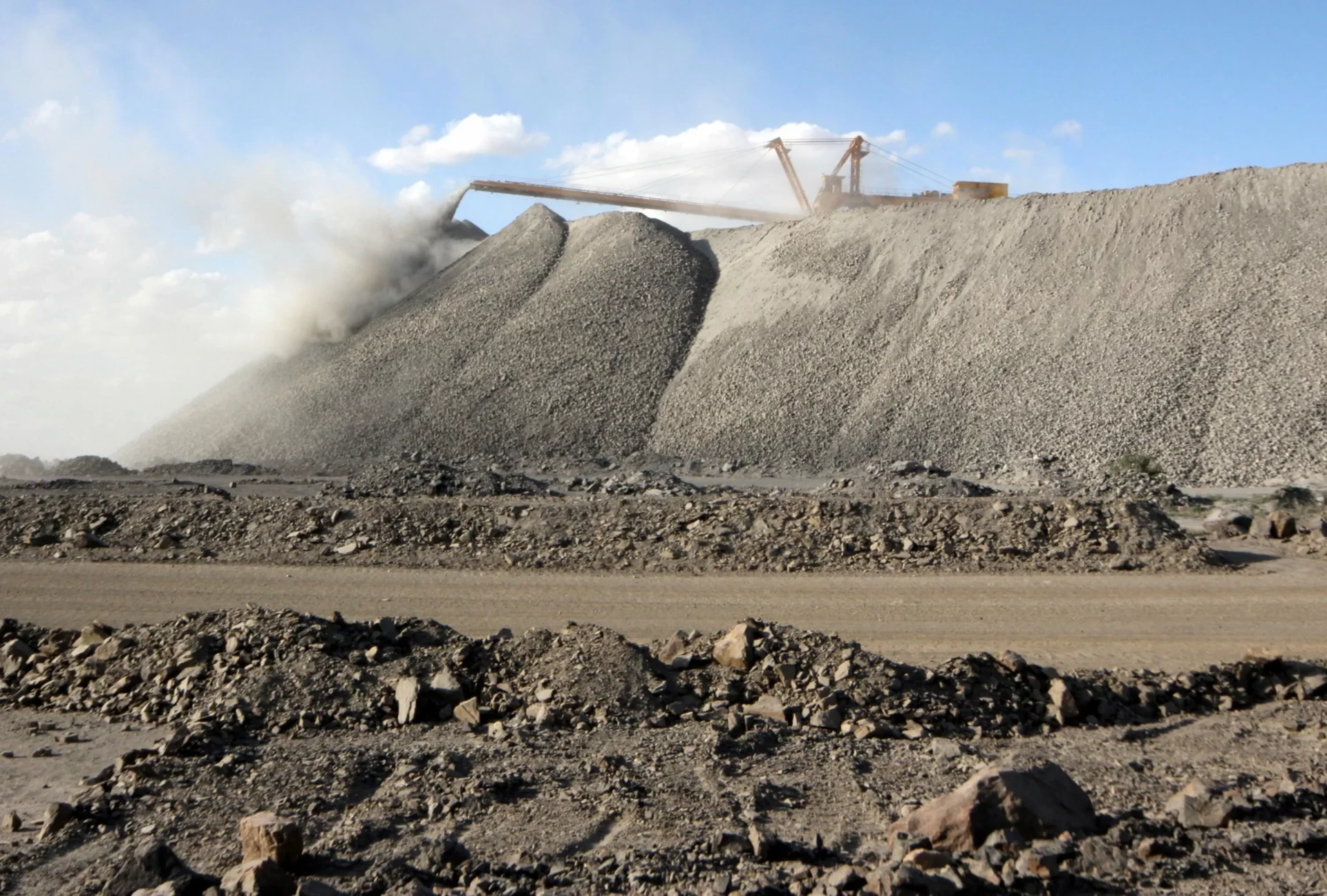
Concerns over China’s grip on critical minerals are escalating, as global automakers joined U.S. companies in warning that Beijing’s export restrictions on rare earth elements could have a major impact on the global economy.
Rare earth elements, also known as rare earth metals, are a group of 17 elements that are essential for the production of high-tech products such as smartphones, electric vehicles, and wind turbines. China is the world’s largest producer of these minerals, accounting for over 80% of global production.
However, China’s dominance in the rare earth market has raised concerns among other countries, especially the United States, which heavily relies on these minerals for its technology and defense industries. In recent years, China has imposed export restrictions on rare earth elements, causing supply shortages and price fluctuations in the global market.
The latest warning came from a group of global automakers, including General Motors, Ford, and Tesla, who expressed their concerns in a letter to the U.S. Senate Committee on Energy and Natural Resources. The letter stated that China’s export restrictions on rare earth elements could have a significant impact on the production of electric vehicles, which are heavily reliant on these minerals.
The automakers also highlighted the fact that China’s dominance in the rare earth market could give them an unfair advantage in the global electric vehicle market. This is because China’s strict export quotas and tariffs on rare earth elements could limit the supply of these minerals to other countries, making it difficult for them to compete in the electric vehicle market.
The concerns over China’s grip on critical minerals are not limited to the automotive industry. U.S. companies in various sectors, including technology, defense, and renewable energy, have also raised similar concerns. They fear that China’s control over rare earth elements could disrupt their supply chains and hinder their ability to innovate and compete in the global market.
The United States is not the only country worried about China’s dominance in the rare earth market. Japan, which is heavily reliant on rare earth elements for its technology industry, has also expressed concerns and has been actively seeking alternative sources of these minerals.
In response to these concerns, the U.S. government has taken steps to reduce its reliance on China for rare earth elements. In 2019, President Trump signed an executive order to develop a domestic supply chain for critical minerals, including rare earth elements. The U.S. Department of Defense has also announced plans to invest in rare earth processing facilities to reduce its dependence on China for these minerals.
The European Union has also taken steps to address the issue, with the European Commission launching a new strategy to secure a sustainable supply of critical raw materials, including rare earth elements. The strategy aims to diversify the EU’s supply of these minerals and reduce its dependence on China.
Despite these efforts, it will take time for other countries to reduce their reliance on China for rare earth elements. In the meantime, the concerns over China’s grip on critical minerals continue to escalate, with experts warning that the global economy could face significant disruptions if China decides to restrict its exports further.
In conclusion, the concerns over China’s grip on critical minerals are valid and need to be addressed by the international community. The heavy reliance on China for rare earth elements not only poses a threat to the global economy but also gives China an unfair advantage in the global market. It is crucial for countries to diversify their supply of these minerals and reduce their dependence on China to ensure a fair and stable global market.
