
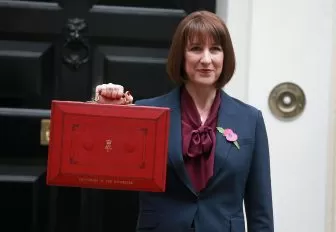
The Spring Statement, delivered by the Chancellor of the Exchequer, is an important event in the UK’s economic calendar. This year’s statement, however, has received less attention compared to previous years. With Brexit looming over the economy, many have questioned the significance of the Spring Statement and whether it will bring about any major changes, particularly in the housing sector. But rather than viewing it as a trigger for housing policy change, the Spring Statement should be seen as a temperature check on the overall state of the economy.
Firstly, it is important to understand the purpose of the Spring Statement. Unlike the Autumn Budget, which outlines the government’s tax and spending plans for the upcoming year, the Spring Statement is meant to provide an update on the economy and the government’s progress towards its long-term goals. In other words, it is a progress report on the economy. This year’s statement, therefore, should not be viewed as a platform for announcing new policies or drastic changes in the housing sector.
The housing market has been a topic of concern for many, with high property prices and a shortage of affordable homes. However, the Spring Statement is not the appropriate platform for addressing these issues. The government has already taken steps to tackle the housing crisis, such as the introduction of the Help to Buy scheme and the pledge to build 300,000 new homes a year. These are long-term goals that cannot be achieved overnight, and the Spring Statement is not the place for quick fixes.
Instead, the Spring Statement should be seen as a temperature check on the economy. It provides an opportunity for the government to assess the current state of the economy and make any necessary adjustments to its policies. This is particularly important in the current climate of uncertainty surrounding Brexit. The government needs to have a clear understanding of how the economy is performing in order to make informed decisions and prepare for any potential challenges.
Moreover, the Spring Statement is also a chance for the government to address any concerns or issues that may have arisen since the Autumn Budget. This year’s statement, for example, has focused on the issue of business rates, with the Chancellor announcing a review of the system. This is a response to the criticism that the current business rates system is unfair and puts a strain on small businesses. This shows that the government is responsive to the needs of the economy and is willing to make necessary changes to support growth.
Furthermore, the Spring Statement also provides an opportunity for the government to highlight any positive developments in the economy. This can serve as a confidence boost for businesses and investors, as well as the general public. The Chancellor’s announcement of a projected growth rate of 1.2% for 2019, despite the uncertainty of Brexit, is a positive sign for the economy. It shows that the UK is still a resilient and attractive place for business, which can have a ripple effect on the housing market.
In addition, the Spring Statement also allows the government to reaffirm its commitment to long-term goals, such as reducing the deficit and investing in infrastructure. These are crucial for maintaining a stable and sustainable economy, which is essential for the housing market to thrive. The government’s announcement of a £3 billion Affordable Homes Guarantee Scheme is a step towards achieving its goal of providing more affordable housing for those in need.
In conclusion, the Spring Statement should not be viewed as a trigger for housing policy change, but rather as a temperature check on the overall state of the economy. It provides an opportunity for the government to assess the current economic climate, address any concerns, and reaffirm its long-term goals. The housing market is a vital part of the economy, and any changes or policies related to it should be carefully considered and implemented in the long-term. Let us view the Spring Statement as a positive sign of the government’s commitment to a strong and stable economy, and have confidence that this will have a positive impact on the housing sector in the future.
