
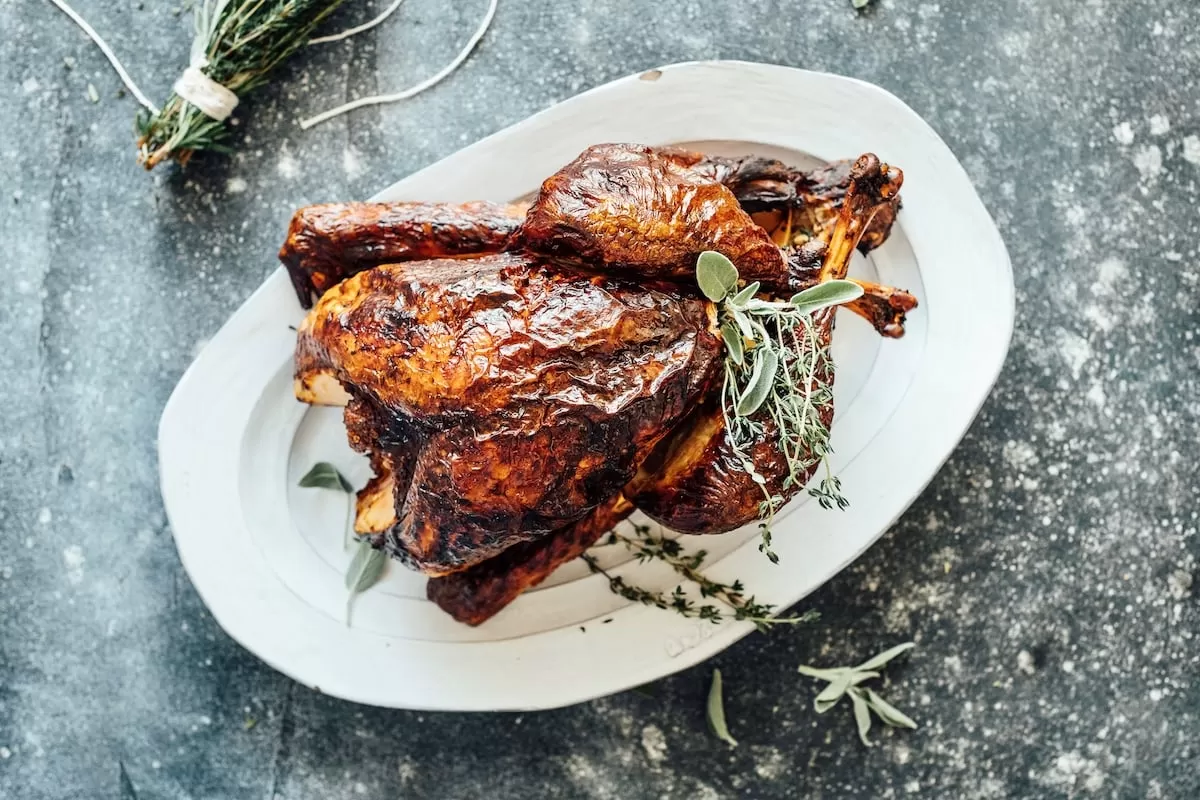
Thanksgiving is a time for family, friends, and delicious food. One dish that often takes center stage on this holiday is the iconic Thanksgiving turkey. However, for many home cooks, preparing the perfect turkey can be a daunting task. It’s easy to feel overwhelmed by the pressure of cooking a whole bird, and the fear of ending up with a dry, flavorless turkey can be all too real.
But fear not, because we have some chef-approved secrets that will guarantee a foolproof bird every time. These tips and tricks will not only ensure that your turkey stays juicy, but also elevate the overall flavor and presentation of your Thanksgiving feast. So let’s dive into the secrets of making the best Thanksgiving turkey, as shared by top chefs.
1. Brine, brine, brine
One of the most crucial steps in preparing a juicy turkey is brining. Brining involves soaking the turkey in a mixture of salt, sugar, and herbs, which helps to infuse the meat with flavor and keep it moist. Chef Michael Symon, host of Food Network’s “Symon’s Dinners Cooking Out,” swears by brining his turkey for at least 12 hours before roasting. He recommends using a ratio of 1 cup of kosher salt to 1 gallon of water and adding in some aromatics like garlic, thyme, and rosemary for extra flavor.
2. Don’t skip the butter
Butter is the key to a crispy and golden skin on your turkey. Chef Bobby Flay, author and host of Food Network’s “Beat Bobby Flay,” suggests rubbing softened butter under the skin of the turkey, as well as on top, before roasting. The butter will not only add flavor but also help to keep the meat moist. For an extra boost of flavor, mix the butter with some herbs and spices before rubbing it on the turkey.
3. Use a roasting rack
A roasting rack is an essential tool for cooking the perfect turkey. It elevates the turkey off the bottom of the roasting pan, allowing hot air to circulate evenly around the bird. This results in a more evenly cooked and juicier turkey. Chef Emeril Lagasse, award-winning chef and restaurateur, also recommends placing some vegetables, such as carrots, onions, and celery, on the bottom of the pan to add extra flavor to the drippings. These vegetables can later be used to make a delicious gravy.
4. Invest in a meat thermometer
To ensure that your turkey is cooked to perfection, invest in a good quality meat thermometer. This will take the guesswork out of cooking and ensure that your turkey is cooked to the correct temperature. According to Chef Alton Brown, host of Food Network’s “Good Eats,” the turkey should be cooked until the internal temperature reaches 165°F in the thickest part of the breast and thigh. Be sure to place the thermometer in the thickest part of the meat and avoid touching the bone, as this can give an inaccurate reading.
5. Let it rest
One of the most common mistakes when cooking a turkey is not letting it rest before carving. Chef Ina Garten, best-selling author and host of Food Network’s “Barefoot Contessa,” stresses the importance of letting the turkey rest for at least 20-30 minutes before carving. This allows the juices to redistribute and keeps the meat moist and tender.
6. Get creative with spices and herbs
Don’t be afraid to experiment with different spices and herbs when preparing your turkey. Chef Jamie Oliver, renowned British chef and restaurateur, suggests using a combination of spices like paprika, cumin, and coriander for a unique and flavorful twist. You can also use fresh herbs like sage, thyme, and rosemary to add depth of flavor to your turkey.
7. Try a different cooking method
While roasting is the most traditional way of cooking a turkey, there are other methods that can result in an equally delicious bird. Chef Gordon Ramsay, Michelin-starred chef and TV personality, recommends trying a smoked turkey for a unique and smoky flavor. You can also try deep-frying your turkey, which will give you a crispy skin and juicy meat. Just make sure to follow all safety precautions when using this method.
With these chef-approved secrets, you can confidently prepare a juicy and flavorful Thanksgiving turkey every time. So don’t let the pressure of cooking a whole bird intimidate
