
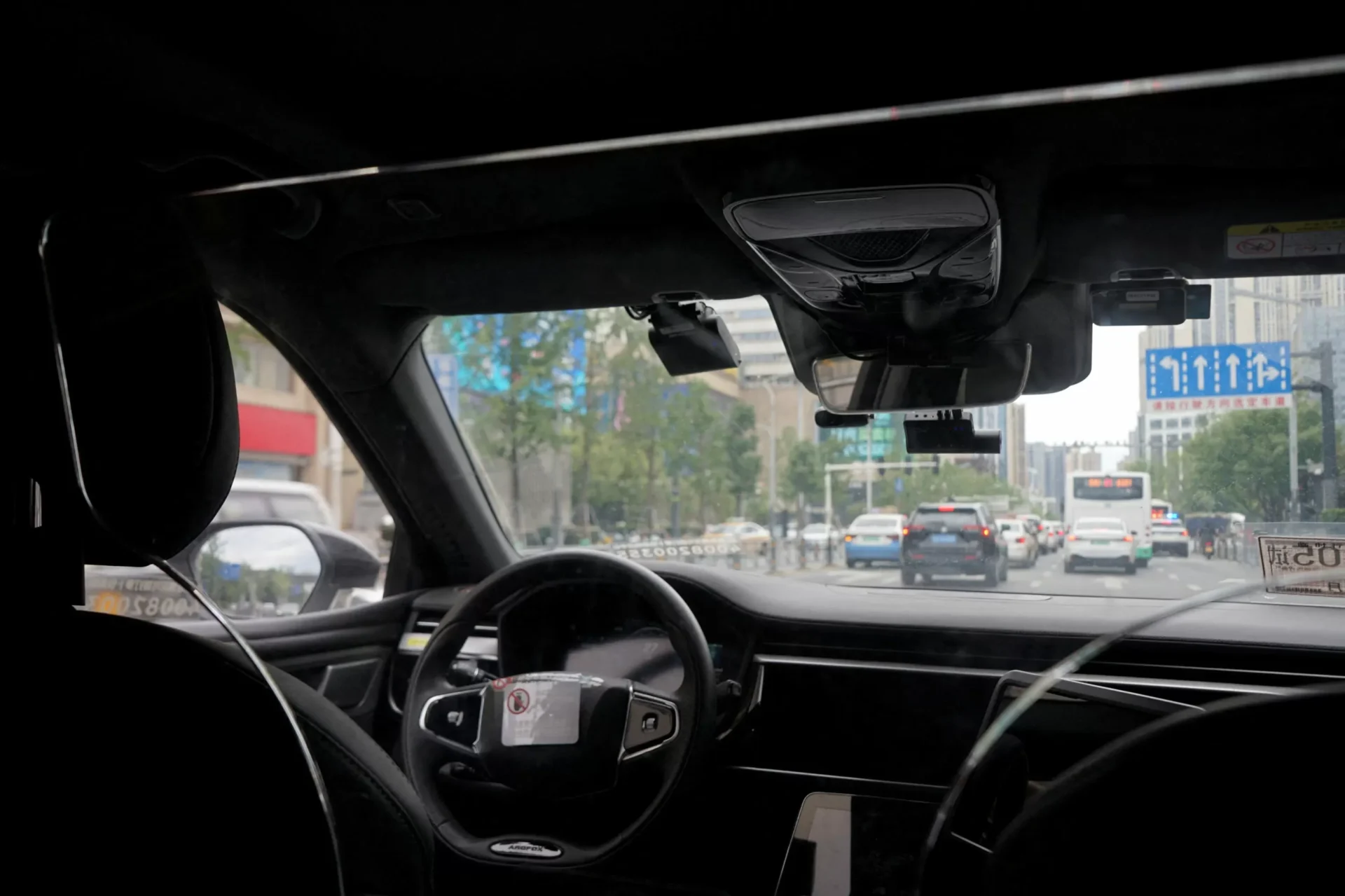
Chinese tech giant Baidu has announced its plan to roll out its highly anticipated driverless cars on ride-hailing app Uber in Asia and the Middle East this year. This partnership between Baidu and Uber has been in the works for several years and is finally coming to fruition, promising to revolutionize the transportation industry.
Baidu, often referred to as the “Google of China”, has been a leader in the development of autonomous driving technology. The company has been conducting extensive research and testing on self-driving cars for the past few years, and has already launched pilot programs in various Chinese cities. With its advanced technology and extensive knowledge, Baidu is well-positioned to enter the global market and provide a solution to the increasing demand for efficient and safe transportation.
The collaboration between Baidu and Uber will see the integration of Baidu’s driverless cars on the Uber app, allowing users in Asia and the Middle East to hail a self-driving car for their transportation needs. This partnership is set to bring immense benefits to both companies and their customers. Baidu will gain access to Uber’s extensive network and customer base, while Uber will be able to offer a cutting-edge and innovative transportation option to its users.
This partnership will also bring about a significant shift in the ride-hailing industry. While Uber and other ride-hailing apps currently rely on human drivers, the introduction of driverless cars will completely transform the way people think about transportation. It will not only provide a more convenient and efficient mode of transport, but also significantly reduce the risk of accidents caused by human error.
Moreover, this collaboration will also have a positive impact on the environment. Baidu’s driverless cars are equipped with advanced technology such as sensors and cameras that allow them to navigate through traffic and avoid collisions. This will not only reduce the number of accidents but also contribute to reducing carbon emissions, making our cities cleaner and greener.
The partnership between Baidu and Uber is not limited to just technology. Both companies have also emphasized their commitment to safety and have stated that the driverless cars will undergo rigorous testing and safety measures before being deployed for public use. This will ensure that the cars are safe and reliable, providing users with a comfortable and secure ride.
The plan to roll out driverless cars in Asia and the Middle East this year is just the beginning of Baidu’s ambitious multiyear global expansion plan. The company aims to eventually introduce its driverless cars in other regions, including Europe and North America. This move will solidify Baidu’s position as a leader in the autonomous driving industry and pave the way for a more connected and technology-driven future.
The introduction of Baidu’s driverless cars in the ride-hailing industry will also have a significant impact on job creation. With the increasing demand for driverless cars, there will be a need for skilled workers to design, develop, and maintain these vehicles. This will not only create job opportunities but also drive economic growth in the regions where Baidu and Uber are launching their services.
In addition to the economic benefits, this partnership will also contribute to the technological advancement of the regions. The deployment of driverless cars will require the development of infrastructure such as charging stations and sensors, which will boost the growth of the technology sector and promote innovation in the regions.
In conclusion, Baidu’s plan to launch its driverless cars on Uber’s ride-hailing app in Asia and the Middle East this year is a significant step towards the future of transportation. By bringing together two industry leaders, this partnership promises to revolutionize the way we think about transportation and provide a safer, more efficient, and environmentally friendly mode of transport. With this exciting collaboration, Baidu and Uber are set to change the game in the ride-hailing industry and pave the way for a more technologically advanced and connected world.
