
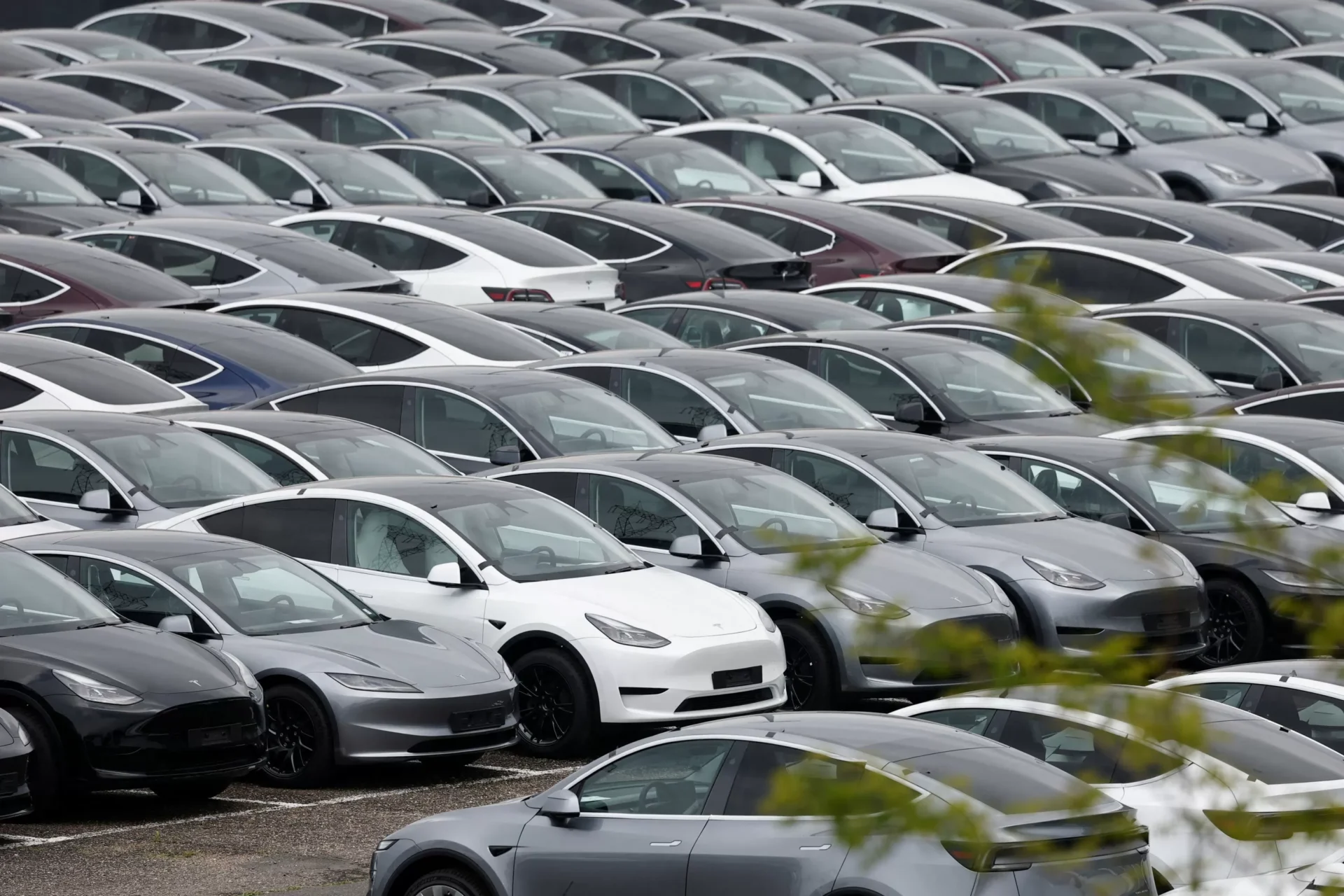
Tesla, the renowned electric car company, has been facing some challenges in the European market. According to recent reports, the sales of Tesla cars have once again declined in Europe, despite the growing demand for electric vehicles in the region. This decline in sales can be attributed to increasing competition and controversies surrounding the company’s CEO, Elon Musk, and his ties to U.S. President Donald Trump.
In the last month, Tesla’s sales in Europe have seen a noticeable decrease, with a drop of 19% compared to the same period last year. This is a cause for concern for the company, as Europe has been a key market for their electric vehicles. However, this decline in sales should not overshadow the fact that the overall market for electric cars in Europe is growing rapidly.
The European market for electric cars has been expanding at an impressive rate, with a 33% increase in sales in the first quarter of 2019. This growth is expected to continue as more and more countries in Europe are taking steps towards reducing their carbon footprint. In fact, several European countries have already announced plans to ban the sale of gasoline and diesel cars in the near future, making electric vehicles the only viable option for consumers.
So, what is causing the decline in Tesla’s sales in Europe? One of the major factors is the increasing competition in the electric car market. Tesla was once the dominant player in the European market, but now faces tough competition from other established car manufacturers as well as new entrants. These companies have also been investing heavily in electric vehicles, making it a highly competitive market for Tesla.
Another reason for the decline in sales could be the controversies surrounding Elon Musk and his ties to U.S. President Donald Trump. The CEO has faced criticism for his support of Trump and his policies, which has led to some consumers boycotting Tesla. This has undoubtedly affected the demand for Tesla cars in Europe, as many consumers are now looking for alternative options.
Despite these challenges, Tesla remains committed to its mission of accelerating the world’s transition to sustainable energy. The company has been continuously working towards expanding its presence in Europe and has opened new stores and service centers in the region. It has also announced plans to increase the production of its Model 3, which has been a popular choice among European consumers.
Moreover, Tesla has also been investing in its Supercharger network, making it easier for customers to charge their vehicles while on the go. This is a crucial factor for consumers, as range anxiety is one of the major concerns when it comes to electric cars. With the Supercharger network, Tesla is not only providing a convenient solution for its customers, but also addressing one of the major barriers to widespread adoption of electric vehicles.
In addition to this, Tesla’s cars continue to receive rave reviews from both consumers and critics alike. The Model S and Model X have been praised for their performance, luxury, and advanced technology, while the Model 3 has been commended for its affordability and range. These positive reviews are a testament to Tesla’s commitment to innovation and quality, which has been a key factor in its success so far.
In conclusion, while Tesla’s sales may have declined in Europe last month, it is important to look at the bigger picture. The growing demand for electric vehicles in the region and Tesla’s continued efforts to expand its presence and improve its offerings, make it a strong contender in the market. With the increasing focus on sustainable transportation, Tesla is well-positioned to capitalize on the opportunities in the European market and continue its mission of revolutionizing the automotive industry.
